

Key Takeaways
Summary
28 items · 45-90 minutes on-site
Why a Structured Inspection Matters
Buying a used car involves a level of uncertainty that new-car purchases don't carry. Every vehicle has a past - and sellers, whether private individuals or dealerships, are not always positioned to disclose everything. A structured, methodical inspection shifts the balance back toward you.
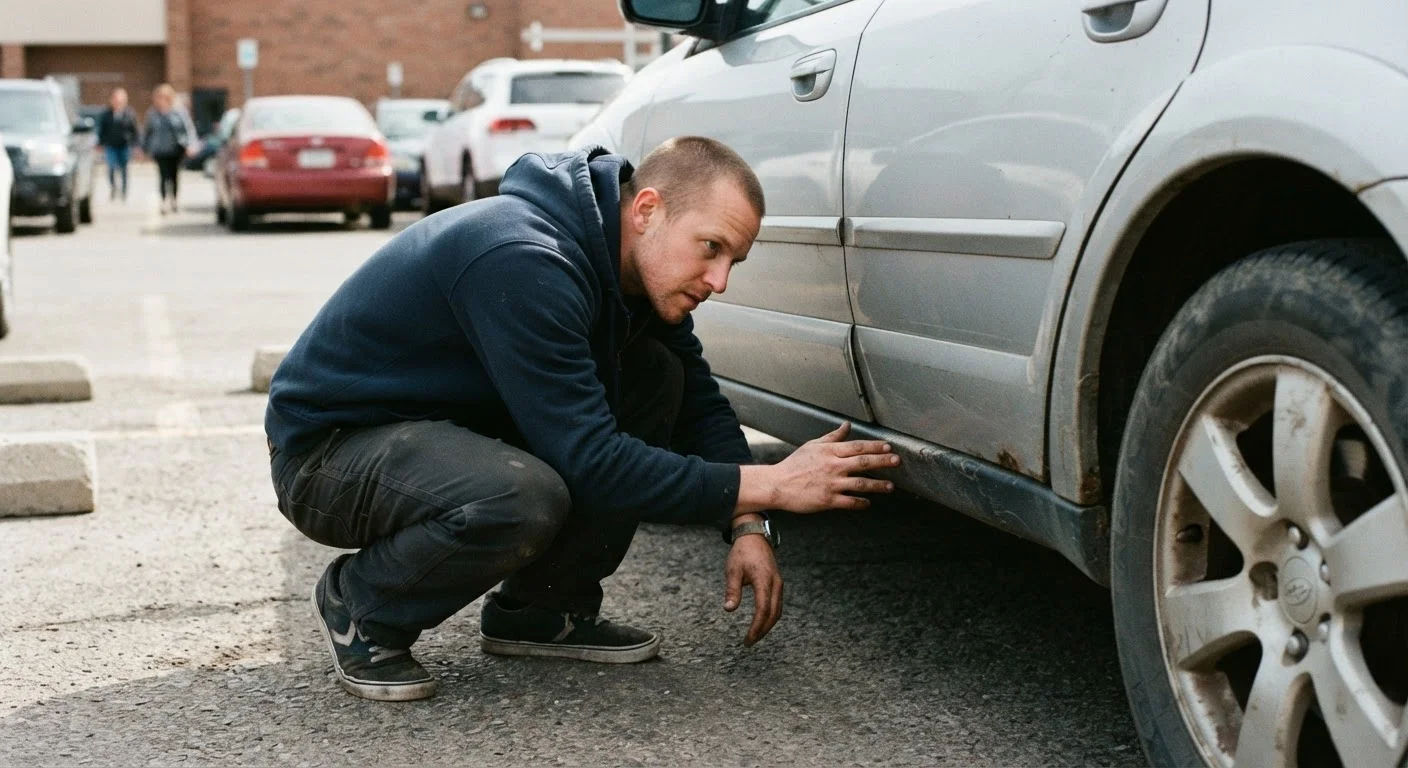
This checklist is designed to be worked through in sequence: exterior first, then interior, then under the hood, and finally on the road. Each stage builds on the last. Skipping sections or rushing through because a seller is hovering is exactly the kind of pressure that leads to regrettable purchases.
Before you arrive, request a vehicle history report and review it carefully. Our guide on reading a used car's history report without being misled explains what the data tells you - and what it quietly leaves out. Pair that with this hands-on checklist for a complete picture. If you're early in the process and haven't bought a car before, what first-time car buyers need to know before stepping into a dealership is a useful foundation.
Flashlight or Headlamp
Illuminates dark areas under the hood, beneath the vehicle, and inside door jambs where natural light doesn't reach.
OBD-II Code Reader
Reads stored and pending diagnostic trouble codes from the vehicle's onboard computer, even when the check engine light is not illuminated.
Vehicle History Report (via VIN)
Provides a record of reported accidents, title status, previous owners, and odometer readings for the specific vehicle.
Notepad or Phone for Notes
Lets you record observations, flag items for follow-up, and compare notes across multiple vehicles you inspect.
Independent Mechanic (Pre-Purchase Inspection)
A qualified professional can identify mechanical issues, fluid leaks, frame damage, and hidden faults that a visual inspection cannot catch.
Working Through the Checklist
Work through each group below with the car stationary, engine off, and ideally in a well-lit open area. Bring your own flashlight - don't rely on the lighting wherever the car happens to be parked. If anything flags concern in an earlier section, note it before moving on rather than losing track.
Exterior
Interior
Engine Bay
Test Drive
Pre-Purchase Verification
Always Inspect a Cold Engine
Sellers sometimes warm up a vehicle before a showing because cold starts reveal problems - hard cranking, rough idling, blue or white exhaust smoke - that disappear once the engine has been running. Ask the seller not to start the car before you arrive, and if it's already warm, return at a different time or factor that into your risk assessment. A seller who refuses this reasonable request is worth noting.
For context on how this inspection fits into the broader purchase process, see what actually happens when you buy a car. During the test drive, stay alert to any unfamiliar sounds or sensations - our article on noises, smells, and sensations that deserve attention can help you interpret what you notice.
Pressure to Decide Quickly Is a Red Flag
Whether buying from a private seller or a dealership, any urgency to sign before you've completed your inspection or received a PPI result is a signal to slow down - not speed up. A legitimate seller with a sound vehicle has no reason to rush you. Walk away from any situation that prevents you from conducting a thorough, unhurried inspection.
Once you've completed your inspection and are satisfied, the next step involves paperwork - including any financing. Review the questions worth asking before signing a car finance agreement before you commit to any loan terms.