

Key Takeaways
Plant Hardiness Zone
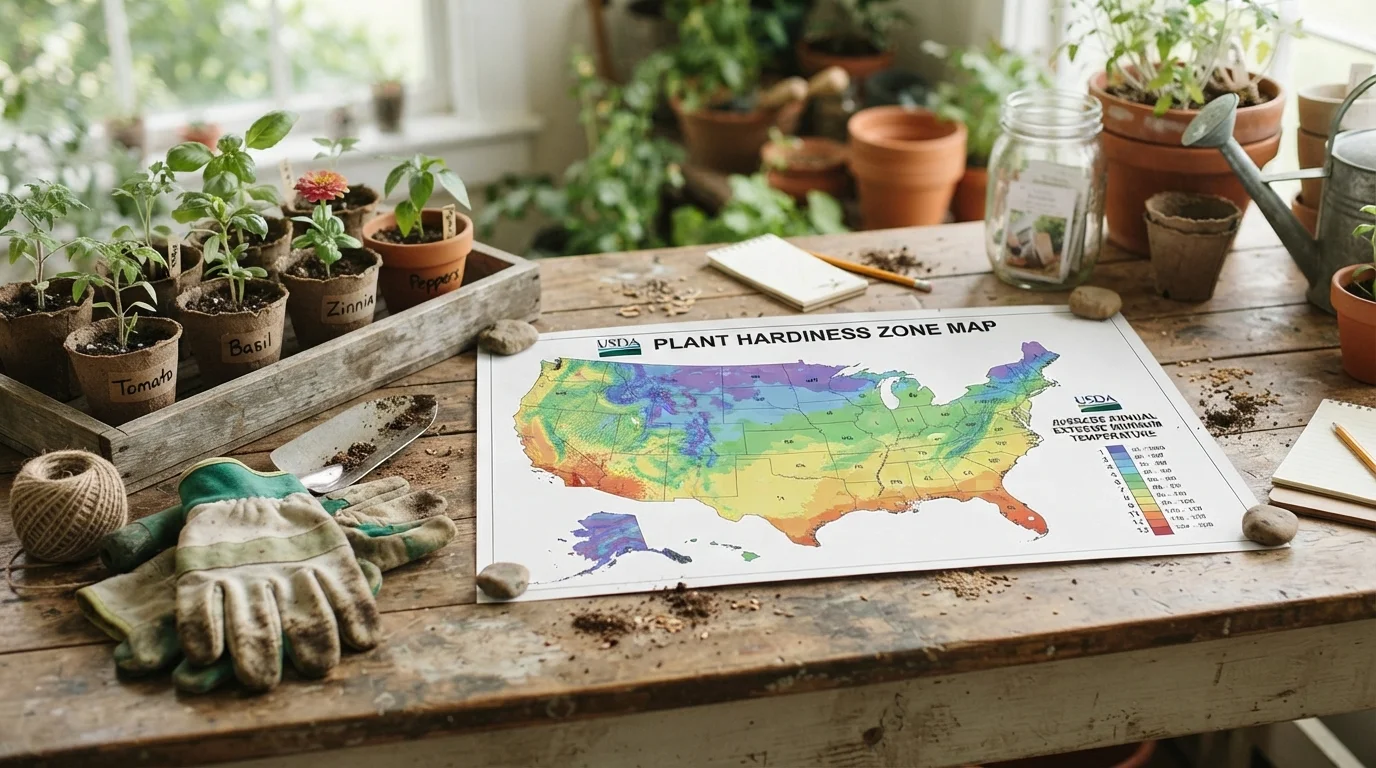
A plant hardiness zone is a geographic area defined by its average annual minimum winter temperature. The USDA Hardiness Zone Map divides the United States into 13 numbered zones, each representing a 10°F range. Gardeners use these zones to determine which perennial plants, trees, and shrubs are most likely to survive winter in a given location.
Each zone is further divided into 'a' and 'b' subcategories representing 5°F increments. The most recent USDA map update incorporated 30 years of temperature data and shifted about half of the US into warmer half-zones.
What the Zone Map Actually Measures
The USDA Plant Hardiness Zone Map is built on a single data point: the average annual minimum winter temperature recorded at weather stations across the country. That's it. The map tells you how cold it typically gets at its coldest - and nothing more.
This is genuinely useful information. If you're choosing a fruit tree, ornamental shrub, or perennial flower, knowing that a plant can survive down to -20°F (Zone 5) or needs winters no colder than 20°F (Zone 9) immediately filters your choices. Zone ratings appear on plant tags, in seed catalogs, and in nursery databases precisely because they answer one critical question: will this plant make it through winter here?
The 13 zones run from Zone 1 (subarctic Alaska, minimum temperatures below -60°F) to Zone 13 (tropical Puerto Rico and Hawaii, minimums above 60°F). Most of the contiguous US falls between Zones 3 and 10. Each zone is split into 'a' and 'b' subcategories in 5°F increments, giving gardeners a finer-grained view when choosing plants at the margins of their zone.
13
Total USDA plant hardiness zones in the US
The USDA Plant Hardiness Zone Map divides the country into 13 zones based on 10°F temperature bands, with 'a' and 'b' subcategories for finer resolution.
30 years
Temperature data behind each USDA map update
The USDA incorporates approximately 30 years of climate station data when updating the official hardiness zone map to smooth out year-to-year variation.
~50%
US area shifted warmer in the most recent map update
When the USDA last updated the map, roughly half of the contiguous US moved into a warmer half-zone compared to the previous version, reflecting longer-term temperature trends.
What Hardiness Zones Don't Tell You
Here's where many gardeners run into trouble: the zone map was never designed to be a complete guide to plant suitability, yet it's often treated as one. Several critical growing factors are entirely absent from zone data.
- Summer heat and humidity: A Zone 7 garden in the Pacific Northwest experiences mild, moist summers very different from a Zone 7 garden in central Virginia. Plants from Mediterranean climates may thrive in the Northwest but rot in Virginia's humid heat.
- Rainfall and drought: Zones say nothing about precipitation. A plant that needs consistent moisture will fail in an arid Zone 8 without irrigation, even if it survives the winter fine.
- Soil conditions: Drainage, pH, and fertility are invisible on zone maps. A plant rated for your zone that demands well-drained, alkaline soil will decline in heavy clay.
- Wind exposure: Desiccating winter winds can damage or kill plants that the temperature alone wouldn't harm, especially broadleaf evergreens.
- Frost timing: Zones don't indicate when your first or last frost occurs - key information for annuals, vegetables, and plants that break dormancy early.
Consult Your Local Cooperative Extension
Every US state has a cooperative extension service with free, regionally specific gardening guidance. These resources - often available through state land-grant universities - provide frost date calendars, soil testing services, and plant recommendations tailored to local conditions that no national zone map can replicate.
Understanding these gaps doesn't make zones less valuable - it makes you a more informed gardener who uses them as one tool among several.
Microclimates: Why Your Yard Isn't One Zone
Even within a single property, growing conditions vary significantly. These localized variations are called microclimates, and they can shift effective conditions by a full zone or more in either direction.
A south-facing brick wall absorbs heat during the day and radiates it at night, creating a sheltered warm pocket ideal for marginally hardy plants. A low-lying area of the garden, by contrast, collects cold air on still nights - these frost pockets can experience temperatures several degrees lower than the rest of the yard. A patio surrounded by hardscape holds more warmth than an open lawn.
Observant gardeners map these zones within their zones. Over a season or two, you'll notice which spots thaw first in spring, which corners stay wet after rain, and where wind funnels through. This ground-level knowledge often matters more for day-to-day planting decisions than a national temperature average.
Using Zone Information Wisely
Hardiness zones work best as a first filter, not a final answer. Start there when evaluating a new plant, then layer in additional research. A few practical habits help:
- Check plant tags for both hardiness and heat zone ratings when available. The American Horticultural Society's Heat Zone Map complements the USDA map by tracking summer stress days above 86°F.
- Talk to local nurseries. Staff at independent nurseries in your area have often grown plants through local conditions for years and can tell you what performs reliably versus what struggles despite being zone-rated.
- Learn your frost dates. Your cooperative extension service publishes average first and last frost dates by county - a separate, equally important planning tool for vegetable gardens and tender plants.
- Observe before you invest. Note what thrives in neighboring gardens, particularly plants you haven't tried. Mature specimens in your neighborhood are real-world proof of local hardiness.
Zone maps are a durable, practical framework - one that has helped generations of gardeners make smarter choices. Used alongside site observation, local expertise, and attention to the full range of growing conditions, they remain one of the most accessible tools in the home gardener's toolkit.