

Key Takeaways
Understanding Transplant Shock
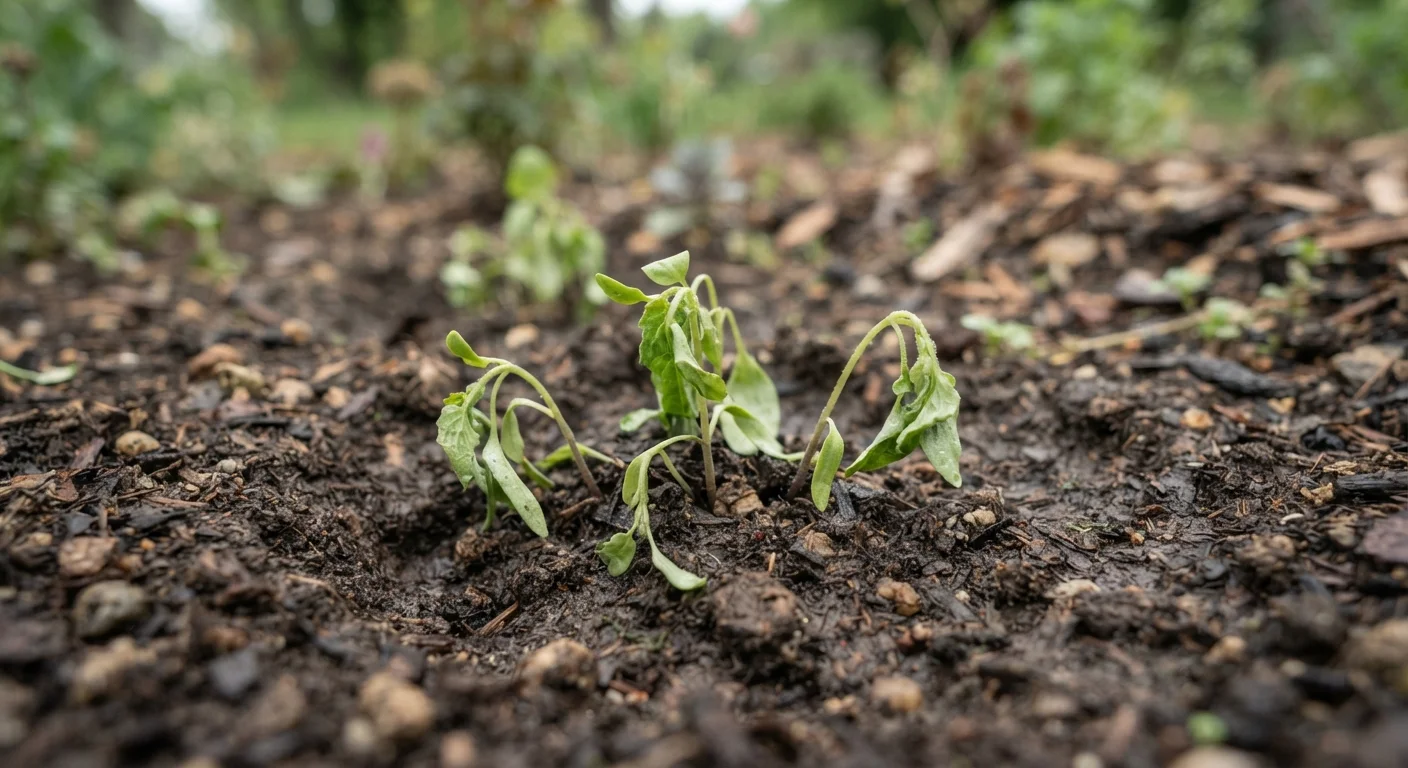
When seedlings move from the controlled environment of a seed tray indoors to the unpredictable conditions of an outdoor garden bed, their systems are suddenly overwhelmed. This stress response - commonly called transplant shock - can cause wilting, yellowing leaves, stunted growth, or outright death within days. Understanding why it happens is the first step toward preventing it.
Seedlings grown indoors develop in low-wind, stable-temperature, consistent-light conditions. The outdoor world presents UV intensity, fluctuating soil temperatures, wind, and pest pressure all at once. Without a gradual transition, even healthy seedlings can fail rapidly. The good news is that with the right approach, most transplant losses are entirely avoidable.
Skipping hardening off before moving seedlings outdoors.
Why it happens: Gardeners are often eager to get plants in the ground and underestimate how dramatically indoor and outdoor conditions differ.
Disturbing or tearing the root ball during transplanting.
Why it happens: Impatience and unfamiliarity with root sensitivity lead many gardeners to pull seedlings free from cells or loosen soil too aggressively.
Transplanting into soil that is too cold or too hot for the crop.
Why it happens: Gardeners follow calendar dates rather than actual soil temperature, not realizing that soil - not air - temperature governs root function.
Overwatering or underwatering in the days immediately after transplanting.
Why it happens: Uncertainty about how much water stressed plants need leads to either excessive watering out of concern, or under-watering due to fear of rot.
Transplanting seedlings that are too large or overly root-bound.
Why it happens: Waiting too long to transplant is common when outdoor conditions are unpredictable, and gardeners often hold seedlings in small cells past their ideal stage.
Timing, Conditions, and Aftercare That Make or Break Success
Even gardeners who avoid the mistakes above can lose seedlings if aftercare is neglected. After transplanting, seedlings need consistent moisture - but not waterlogged soil - for the first ten to fourteen days while roots establish contact with surrounding soil. Check moisture levels at least daily during this period, especially during warm, dry spells.
Avoid Fertilizing Immediately After Transplanting
Applying full-strength fertilizer to freshly transplanted seedlings can burn already-stressed roots and worsen die-off. Wait until you see clear signs of new growth - typically one to two weeks after transplanting - before introducing any fertilizer. If you want to support early establishment, a very dilute solution of a balanced, gentle fertilizer is safer than a standard dose.
Transplanting in the heat of midday is a common and costly error. The combination of peak sun intensity and wind causes rapid moisture loss from leaves before roots can compensate. Opt for late afternoon or an overcast day to give plants the best chance. Similarly, avoid transplanting just before a cold snap or heavy rain forecast, which can compound stress further.
Adding a thin layer of mulch around (but not touching) the base of transplanted seedlings helps retain soil moisture and moderate soil temperature - two factors that significantly improve establishment rates. Diluted liquid fertilizer can support recovery, but hold off until seedlings show signs of new growth, as fertilizing stressed plants too early can burn vulnerable roots.
7-10 days
Minimum hardening-off period before transplanting
Horticulture extension services broadly recommend a gradual 7-to-10-day outdoor acclimation period to reduce transplant shock in most vegetable and flower seedlings.
60°F+
Minimum soil temperature for warm-season transplants
University cooperative extension guidelines consistently cite soil temperatures below 60°F as a leading cause of failure when transplanting warm-season crops like tomatoes, peppers, and squash.