

Key Takeaways
Personal Budget
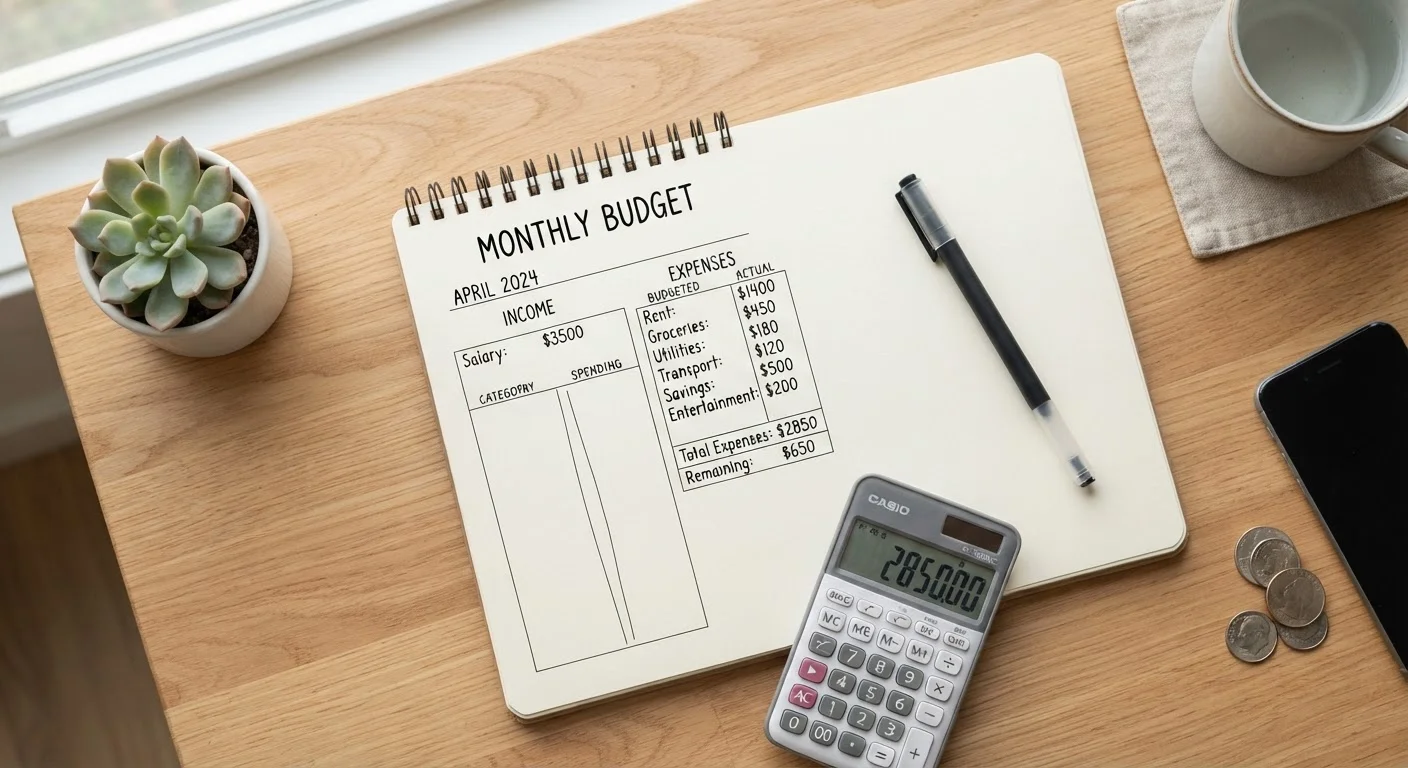
A personal budget is a written plan that maps out how much money you expect to receive and how you intend to spend or save it over a set period - typically one month. It gives every dollar a designated purpose before you spend it, replacing guesswork with intention. Think of it less as a cage and more as a financial road map.
In accounting terms, a personal budget is a forward-looking cash-flow statement comparing projected income against projected expenses across defined categories. Variances between budget and actual spending are tracked to inform future decisions.
The Most Common Misunderstanding About Budgets
Ask most people what a budget means and they'll describe cutting back - no coffee shop visits, no streaming subscriptions, no fun. That framing is one of the most persistent and damaging misconceptions in personal finance. It's also why so many people avoid budgeting altogether.
A budget is not a list of things you're forbidden to buy. It's a plan for how to use your money - including the things you enjoy. When you budget for a dinner out or a weekend trip, that spending isn't a budget failure. It's the budget working exactly as intended.
The confusion often comes from conflating budgeting with austerity. Austerity means cutting spending as much as possible. Budgeting means deciding how to spend - which is an entirely different thing. You can budget generously or budget tightly; the point is that you're making conscious choices rather than reactive ones. See common budgeting myths that may be holding you back for a deeper look at this.
Budgets Are Not One-Size-Fits-All
There are several recognized budgeting methods - the 50/30/20 rule, zero-based budgeting, envelope budgeting, and others - each suited to different income types and financial goals. No single method is universally correct. The best budget format is the one you'll actually use consistently. Experiment to find what fits your lifestyle and income pattern.
What a Personal Budget Actually Contains
At its core, a budget has two sides: income and expenses. Income includes every source of money coming in - wages, freelance earnings, side income, government benefits. Expenses cover everything money goes out toward: housing, food, transportation, utilities, debt payments, savings, and discretionary spending.
The budget assigns your expected income across expense categories so that, ideally, the two sides balance. If expenses exceed income, the budget reveals that gap before it becomes a crisis - giving you time to adjust. If income exceeds expenses, the surplus can be directed toward goals like an emergency fund or paying down debt.
Most budgets organize expenses into two broad groups:
- Fixed expenses - amounts that stay the same each month, like rent or a car loan payment.
- Variable expenses - amounts that fluctuate, like groceries, gas, or entertainment.
For a full glossary of terms you'll encounter while budgeting, key budgeting terms explained in plain language is a helpful companion reference.
~1 in 3
Americans who follow a formal monthly budget
Gallup polling has consistently found that fewer than half of U.S. adults maintain a detailed household budget, suggesting most people manage money reactively rather than proactively.
$1,000
Emergency savings threshold many households fall short of
Federal Reserve surveys have found a significant share of U.S. adults would struggle to cover an unexpected $400-$1,000 expense without borrowing - a gap a basic budget can help address over time.
Why Budgeting Works - Even When Life Gets Complicated
A budget works not because it controls you, but because it replaces surprise with preparation. Most financial stress doesn't come from low income alone - it comes from misalignment between what money you have and where it goes. A budget closes that gap.
One of the most practical benefits is handling irregular expenses. Annual insurance premiums, back-to-school costs, and holiday gifts don't show up every month, but they're predictable. A budget lets you set aside a small amount monthly so these expenses don't derail your finances when they arrive.
Budgets also make goals real. Saving for a vacation or a home down payment is vague until you assign it a monthly dollar amount inside a budget. At that point, it becomes a line item - something you actively fund rather than passively hope for.
Ready to put these ideas into action? Building a monthly budget that you'll actually stick to walks through the practical steps from start to finish.
Starting Your First Budget - What to Expect
Your first budget almost certainly won't be perfect, and that's fine. Most people underestimate variable expenses on the first pass and need a month or two of real data before their numbers reflect reality. That adjustment process is part of how budgeting builds financial self-awareness.
The simplest starting point: add up your monthly take-home income, list every expense you can recall, and compare the two totals. Gaps and surprises that surface at this stage are the budget doing its job - surfacing information you didn't have before.
If you've never budgeted before, getting started with a personal budget when you've never had one provides a jargon-free walkthrough for building your first plan from scratch. For a comprehensive resource covering every stage of budgeting, see our complete personal budgeting reference.
This article is for general informational and educational purposes only and does not constitute personalized financial advice. For guidance specific to your situation, consider consulting a qualified financial professional.