

Key Takeaways
Summary
22 items · 30-90 minutes
Why Preparation Matters More Than You Think
Small pets like rabbits, guinea pigs, hamsters, and birds are often assumed to be low-maintenance - but that assumption frequently leads to preventable health problems and welfare failures in the critical first days and weeks. Unlike dogs and cats, many small and exotic animals are prey species with highly specific environmental, dietary, and social needs. They can mask illness and stress until symptoms become severe, making a well-prepared home genuinely life-saving.
This checklist is designed to walk you through everything you should have in place before your new pet steps through the door - not after. If you're planning to adopt a dog or cat alongside a small pet, our guides on dog care essentials and cat care basics can help you manage a multi-species household safely.
Habitat Must Be Ready Before Arrival
Do not bring your new small pet home without a fully set-up and tested habitat waiting. Many first-time owners underestimate how stressful relocation is for prey-species animals. Arriving to an incomplete or improvised setup extends that stress window and can suppress immune function in fragile animals. Build everything, test all equipment, and allow the environment to reach a stable temperature before collection day.
What You'll Need to Have Ready
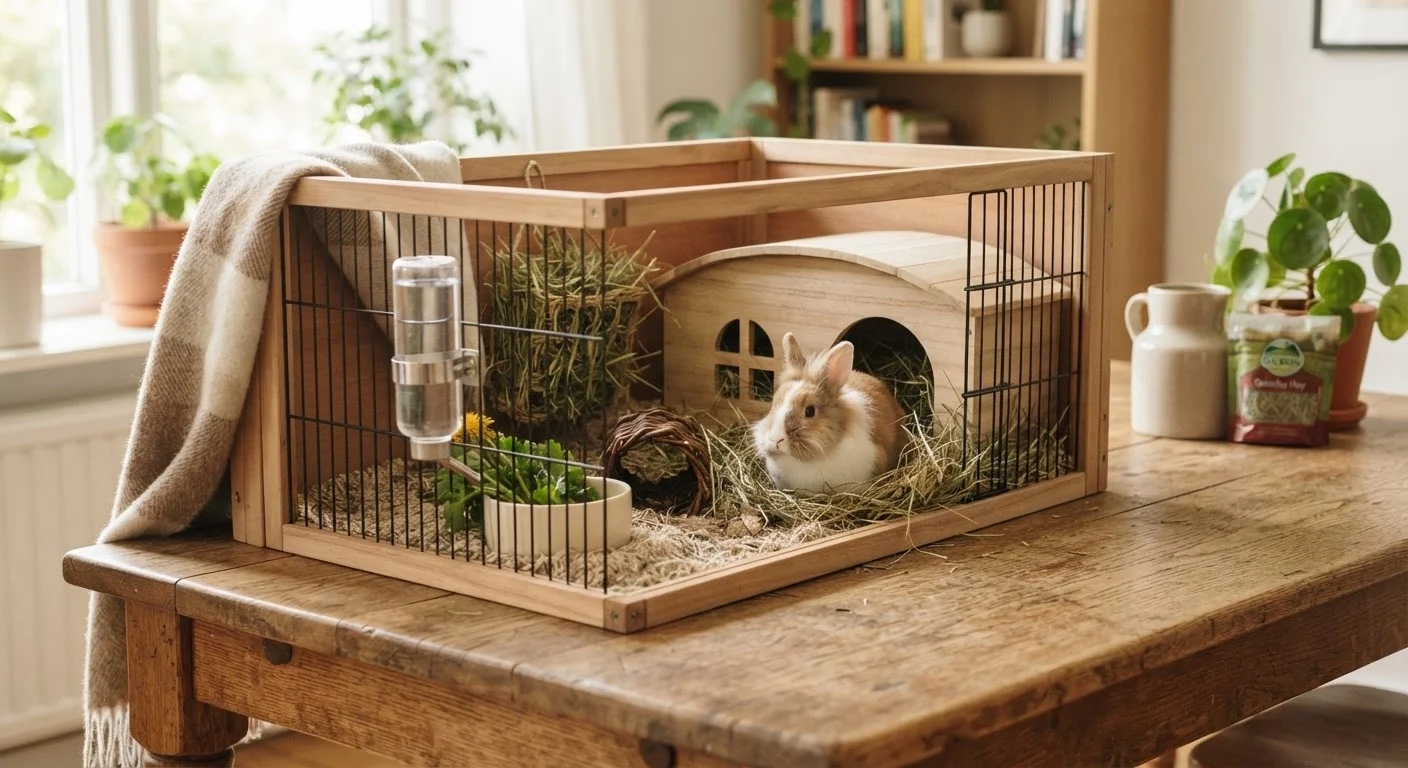
The tools and supplies listed below represent the minimum required setup for most small mammals and birds. Some items will vary by species - a rabbit's needs differ substantially from a cockatiel's - so always cross-reference with species-specific care resources or your veterinarian before purchasing.
Appropriately Sized Enclosure
Houses your pet safely - size and design requirements vary significantly between rabbits, guinea pigs, birds, and other small animals.
Species-Safe Bedding
Provides comfort, absorbs waste, and helps regulate burrowing or nesting instincts for small mammals.
Water Bottle or Bowl
Delivers fresh water in a format suitable for your species - bottle-style suits most small mammals, open bowls work for many birds.
Food Dishes
Used to serve pellets, fresh vegetables, or seed mixes depending on your pet's dietary requirements.
Hay Rack (for rabbits and guinea pigs)
Keeps hay clean and accessible throughout the day, which is essential for healthy gut motility in herbivorous species.
Hideaway or Nest Box
Gives prey-species animals a place to retreat, which is critical for reducing chronic stress.
Enrichment Items
Tunnels, chews, foraging toys, and perches prevent boredom and support species-appropriate behavior.
Secure Carrier
Needed to transport your pet home safely and to veterinary appointments - choose a carrier appropriate to your species' size.
The Full Preparation Checklist
Work through the groups below in order. Items marked must are non-negotiable for your pet's safety and welfare. Items marked should are strongly recommended. Nice to have items will improve quality of life and your experience as an owner over time.
Research & Planning
Veterinary Access
Habitat Setup
Diet & Feeding
Household Safety
Administrative & Ongoing Care
Once your pet is settled, staying on top of veterinary care is equally important. Our article on preparing for vet visits includes practical tips that apply across species - bring your new pet's intake records and any documentation from the breeder or shelter to your first appointment.
Finding the Right Vet Is Urgent - Not Optional
General practice veterinarians often do not have training or equipment to treat rabbits, guinea pigs, birds, reptiles, or other exotic species. Attempting to use a dog-and-cat clinic for a rabbit or bird in an emergency can result in incorrect treatment or refusal of care. Search specifically for an exotic or small-animal veterinarian in your area and make contact before your pet arrives home - not after something goes wrong.