

Why London's Geography Matters Before You Book
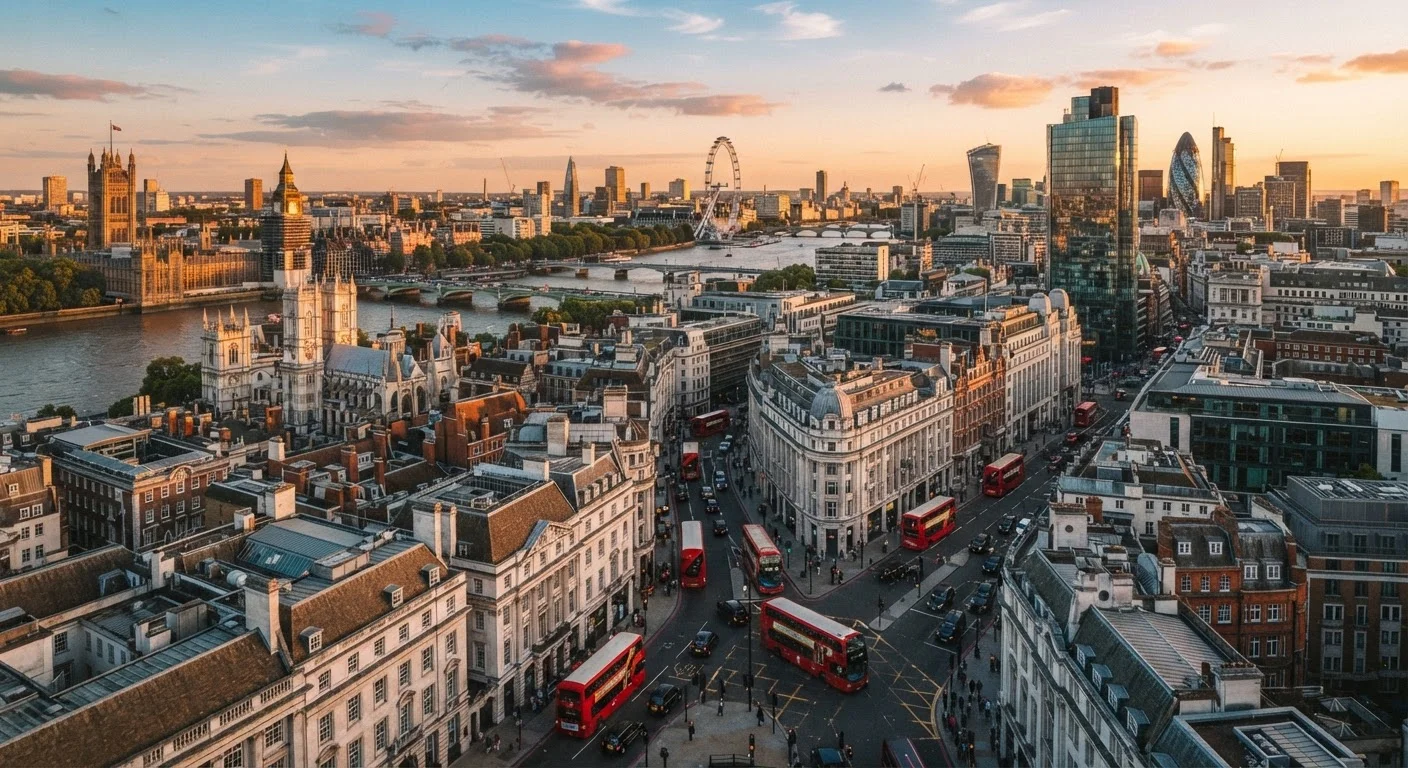
London is enormous - roughly 600 square miles with a population topping 9 million. Unlike cities that organize neatly around a single downtown core, London evolved through the gradual merging of distinct villages, each with its own character, price point, and transit access. Choosing where to stay without understanding this can mean long commutes to the things you actually care about, or landing in an area that simply doesn't match how you travel.
Before you commit to accommodation, it helps to think in broad zones: Central London (fast access, high cost, heavy tourist traffic), Inner London (walkable neighborhoods with real residential texture), and Outer London (cheaper but slower to navigate). Most first-time visitors do well based somewhere in Zones 1 or 2 on the Underground - London's subway system - since that's where the majority of sights, restaurants, and evening entertainment concentrate.
Understanding the planning phases before you commit to a neighborhood can save you a lot of second-guessing later.
A Neighborhood-by-Neighborhood Breakdown
Here's a working reference for the areas visitors most commonly consider:
- Covent Garden & the West End
- The theatrical and tourist heart of central London. Expect high foot traffic, proximity to major museums and theaters, and premium accommodation prices. Ideal if you want to be walking distance from major landmarks without relying heavily on the Tube.
- Shoreditch & Hackney
- East London's creative corridor. Street art, independent restaurants, weekend markets, and a younger crowd define this area. Well connected by Overground rail. A solid choice for travelers who want cultural energy over postcard sights.
- South Bank & Bermondsey
- Across the Thames from the City, this stretch runs from the Tate Modern past Borough Market toward London Bridge. Exceptionally walkable, with excellent food and cultural institutions. Often overlooked as a base, but genuinely practical.
- Marylebone & Fitzrovia
- Quieter residential streets just north of Oxford Street. Less chaotic than the West End but still central. Suits travelers who prefer a calmer atmosphere without sacrificing location.
- Notting Hill & Bayswater
- West London neighborhoods with strong visual appeal and the famous Portobello Road Market. Bayswater offers some of the city's better-value accommodation for its central position. Both areas connect well via the Circle and District lines.
- Greenwich
- Southeast of central London, best reached by river boat or DLR (Docklands Light Railway). Home to the Royal Observatory and a distinctly village-like atmosphere. Worth knowing as a day-trip destination rather than a base, unless a slower pace is the priority.
Practical orientation strategies apply especially in a city this layered - it's worth reading up before you land.
Zone (Transport)
London's transit network is divided into concentric fare zones numbered 1-9. Zone 1 covers central London; travel costs increase with zone distance. Most tourist attractions sit within Zones 1 and 2.
Overground
A surface-level rail network distinct from the Underground, serving inner and outer London neighborhoods often not covered by Tube lines. Particularly useful for accessing East and South London.
DLR (Docklands Light Railway)
An automated light rail line linking central London to East London areas like Canary Wharf, Greenwich, and Stratford. Runs above ground and offers good views.
Borough
One of 32 administrative districts that make up Greater London, each with its own local government. Neighborhoods often span or sit within a single borough.
Oyster Card
A reloadable smart card used to pay for travel on all Transport for London services, including the Tube, Overground, DLR, and buses. Contactless bank cards are also widely accepted.
Matching Neighborhoods to Travel Style
There's no universally correct area to stay - it depends on what you're actually coming to do. Museum-focused visitors may prefer the area around South Kensington, which places the Natural History Museum, the Victoria and Albert, and the Science Museum within easy walking distance. Night-life-oriented travelers often gravitate toward Soho or Shoreditch. Families traveling with younger children may find quieter bases in Marylebone or Southwark more manageable than the busiest parts of the West End.
Budget matters too. Accommodation in Zone 1 can be significantly more expensive than comparable options in Zone 2 neighborhoods like Brixton, Dalston, or Stoke Newington - all of which have strong local food and culture scenes and reasonable transit links. For a deeper look at how accommodation type shapes the overall experience, this breakdown of accommodation options is worth a read before finalizing anything.
Finally: London's weather, seasonal crowds, and transport disruptions (engineering works on the Underground are common on weekends) all affect how neighborhoods feel in practice. Check Transport for London's website for planned closures before finalizing plans - it's a step many visitors skip and later wish they hadn't.
This article provides general travel information. Always verify transit routes, entry requirements, and local conditions through official sources before traveling.