

Key Takeaways
East Africa Safari Travel
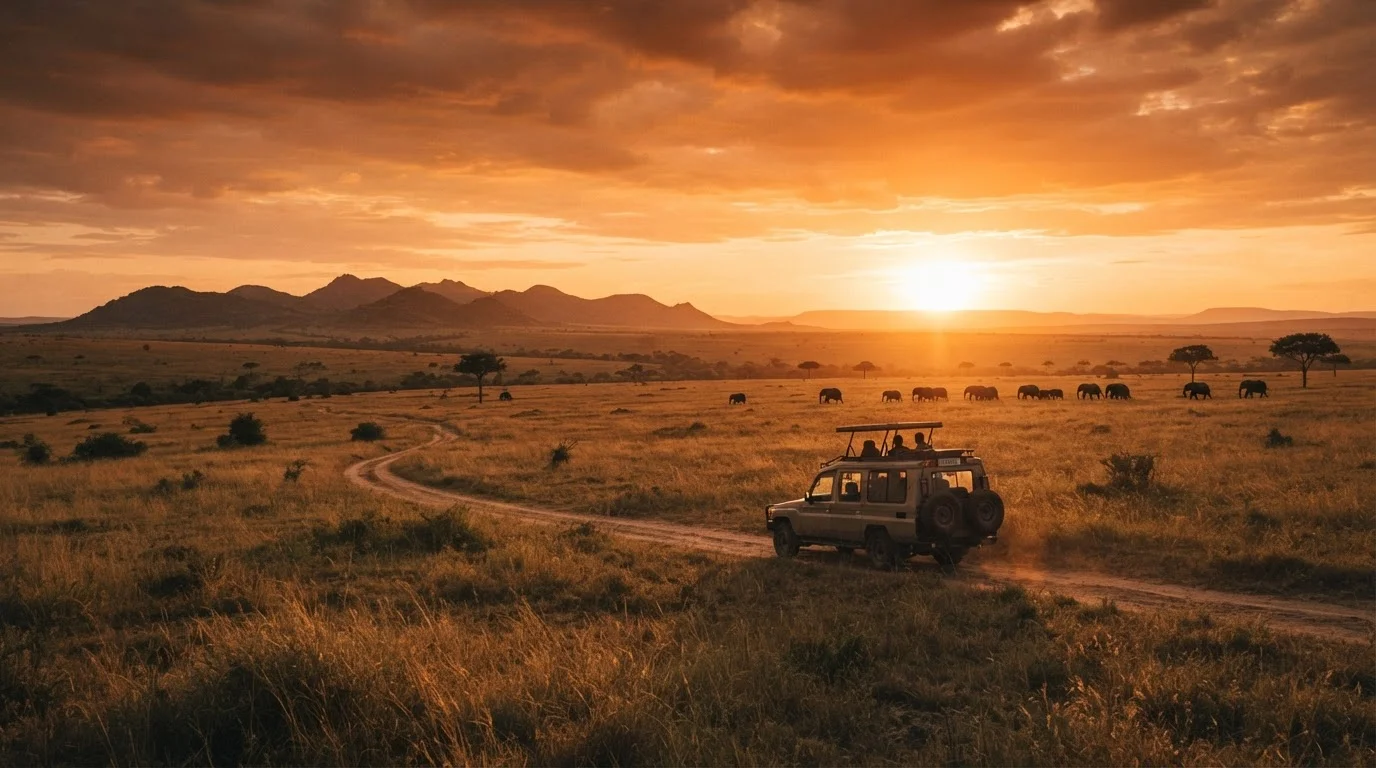
A safari in East Africa is a structured wildlife travel experience - typically conducted in a 4x4 vehicle across protected national parks and private conservancies - where travelers observe animals in their natural habitat. Unlike a conventional sightseeing trip, the schedule, route, and even outcomes are largely shaped by animal behavior and seasonal conditions. Countries including Kenya, Tanzania, Uganda, and Rwanda host the most established safari circuits.
The word 'safari' is Swahili for 'journey.' In modern travel usage, it refers specifically to wildlife-focused excursions, though the exact format - from self-drive to fully guided luxury camps - varies considerably.
Why Safari Trips Work Differently From Other Travel
Most trips have a predictable structure: you arrive, visit sites on a list, and depart on schedule. Safari travel flips that model. The wildlife doesn't follow a timetable, and some of the most memorable moments - a leopard dropping from a tree, a herd of thousands crossing a river - happen entirely on nature's terms.
That fundamental difference shapes everything: when you wake up (often before dawn for optimal game-viewing light), how long you spend in a vehicle, and whether you see a specific animal at all. Managing expectations honestly is the first step toward enjoying the experience rather than feeling cheated by it. A skilled guide dramatically improves your odds, but no one can guarantee a lion sighting.
East Africa's protected areas also operate under conservation frameworks that limit visitor numbers and vehicle access to minimize disturbance - rules that exist for good ecological reasons, but that travelers need to understand going in. For trip structure fundamentals, our trip planning overview covers what the planning phases actually involve.
The Seasonal Logic Behind When and Where to Go
East Africa's wildlife calendar is driven primarily by rainfall patterns and the movement of animals in response to them. The most well-known event is the Great Migration - the circular movement of roughly 1.5 million wildebeest, plus zebras and gazelles, between Tanzania's Serengeti and Kenya's Maasai Mara in search of grass and water. River crossings, where animals brave crocodile-filled waters, are a spectacle that draws travelers specifically around mid-year.
But the migration is one chapter in a much larger story. Uganda and Rwanda offer mountain gorilla trekking year-round, with drier months generally making forest trails more accessible. Amboseli in Kenya offers iconic views of elephants against the backdrop of Kilimanjaro - a composition that changes dramatically depending on cloud cover and season.
~1.5M
Wildebeest in the Great Migration
The annual movement between Tanzania's Serengeti and Kenya's Maasai Mara is widely described as the largest overland wildlife migration on Earth.
Over 25%
Kenya's land under wildlife protection
Kenya's network of national parks, reserves, and conservancies covers a substantial portion of the country's total land area, according to government and conservation body estimates.
~1,000
Mountain gorillas remaining worldwide
The International Union for Conservation of Nature (IUCN) lists mountain gorillas as endangered, with Uganda and Rwanda hosting key populations accessible to structured trekking tourism.
Understanding seasonality isn't just about maximizing sightings - it affects lodge availability, pricing, and road conditions. Rainy seasons can make some tracks impassable for standard vehicles. Always verify current conditions close to your travel date through official park authorities or reputable local sources.
Accommodation, Costs, and the Conservation Fee Reality
Safari accommodation ranges from permanent lodges with full amenities to mobile tented camps that move with the migration. Each format shapes the experience differently - a remote tented camp places you closer to ambient sounds and wildlife activity; a lodge-style property may offer more comfort and infrastructure. Our guide to accommodation types explains how each option changes your trip.
What often surprises first-time safari travelers is the layered cost structure. Beyond international flights and accommodation, park entry fees, conservation levies, and community concession fees can add up to hundreds of dollars per person per day in some areas - and these aren't optional extras. They directly fund wildlife protection and, in many regions, benefit local communities.
Break Down Every Cost Layer Before You Book
When comparing safari options, ask operators to itemize park fees, conservation levies, community fees, and transfer costs separately from accommodation rates. What looks like a lower-priced package can sometimes exclude fees that add significantly to the total. Getting a full cost breakdown upfront avoids budget surprises mid-trip.
The upfront cost of safari travel is generally higher than a comparable-length trip to a beach or city destination. Planning your budget carefully - and accounting for the full range of fees - prevents unwelcome surprises. Consider the realistic travel budgeting framework as a starting point.
What Travelers Often Underestimate Before They Arrive
Entry logistics deserve serious attention. Visa requirements, yellow fever vaccination documentation, and border crossing rules vary between Kenya, Tanzania, Uganda, and Rwanda - sometimes significantly. Some countries accept e-visas; others require advance applications. East Africa Tourist Visa arrangements allow multi-country travel under a single visa in certain combinations, but eligibility rules apply. Always verify current requirements through each country's official immigration authority and your government's travel advisory service before booking.
Health preparation is equally non-negotiable. Malaria is present in most safari regions; the appropriate prevention strategy depends on your health history and destination specifics - a decision that belongs with a qualified healthcare provider, not a travel blog. Altitude is a consideration in highland gorilla trekking zones. Pack layers: mornings on the savanna are often cold even when midday temperatures climb significantly.
Finally, don't underestimate the role of your guide. A knowledgeable guide reads tracks, bird behavior, and terrain in ways that transform an empty-looking landscape into a rich narrative. Asking questions, listening actively, and leaving your phone down occasionally will make the experience far more rewarding than any checklist of species photographed. For a full look at how group dynamics affect this kind of trip, see our group vs. solo planning guide.
This article provides general travel information only. Entry requirements, health recommendations, and safety conditions change regularly - always verify current details with official government sources and consult qualified health professionals before travel.