

Key Takeaways
Why Cat Myths Persist - and Why They Matter
Cats have lived alongside humans for thousands of years, yet persistent misconceptions about their biology, behavior, and care remain widespread. Unlike harmless old wives' tales, several of these myths lead owners to withhold necessary veterinary care, offer harmful foods, or misread signs of illness. Understanding what the evidence actually says is one of the most practical things a cat owner can do.
For a closer look at how cats' needs translate to daily feeding decisions, see what cats actually need to eat.
Myth
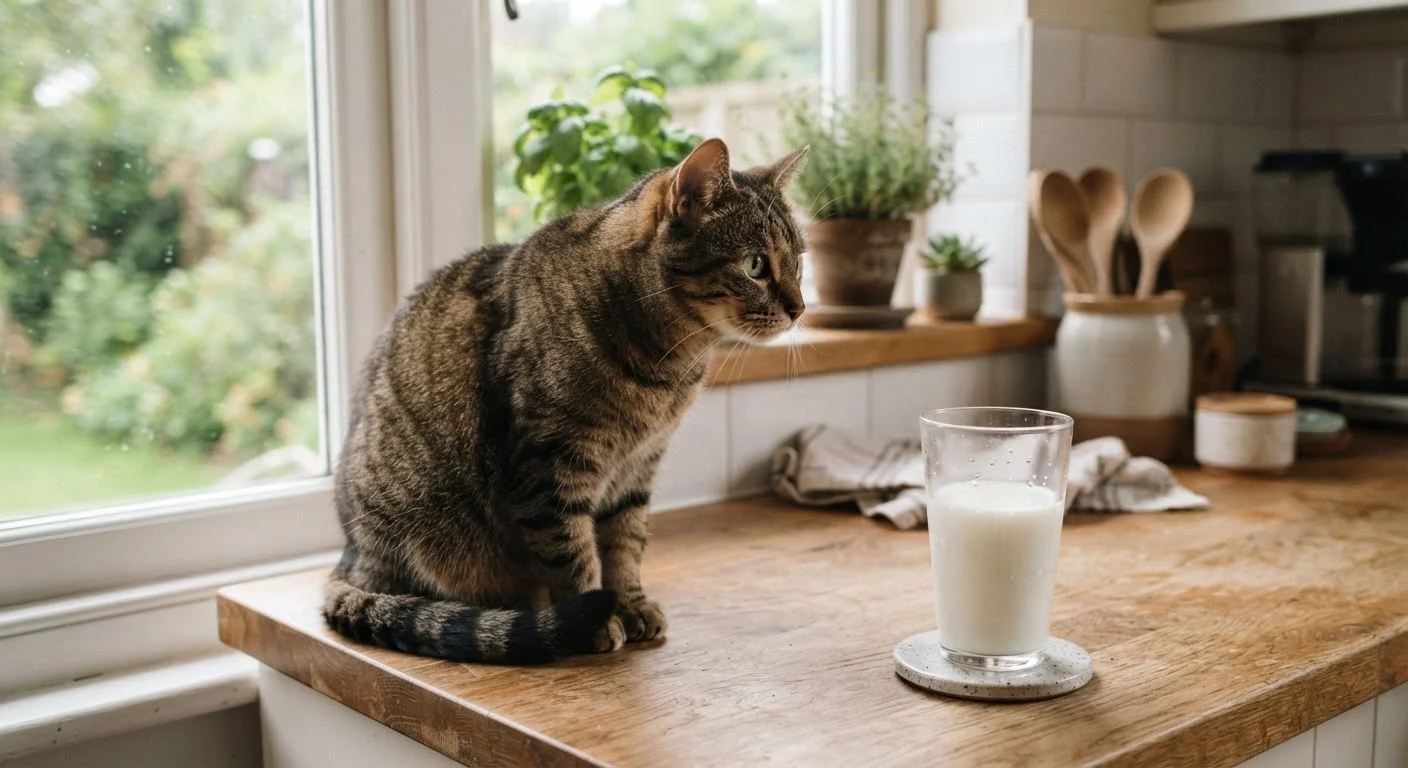
Cats can safely drink cow's milk - it's a natural, wholesome treat.
Fact
Most adult cats are lactose intolerant and can experience diarrhea, vomiting, or stomach cramps after consuming cow's milk.
Kittens produce lactase, the enzyme needed to digest lactose in their mother's milk. After weaning, most cats produce far less lactase, meaning cow's milk - which contains significant lactose - is poorly digested. Cream and cheese carry similar risks. If you want to offer a liquid treat, fresh water is always the best choice; some cats enjoy commercially prepared lactose-free cat milk in small quantities, but it should never replace a balanced diet.
Myth
Cats always land on their feet, so falls from height aren't dangerous.
Fact
Cats have a 'righting reflex' that helps them orient mid-air, but it doesn't prevent injury - high-rise falls regularly cause broken bones, lung injuries, and death.
The feline righting reflex is real: cats rotate their bodies to aim feet-first during a fall. However, this reflex has limits. Contrary to the popular belief that higher falls are safer because cats reach terminal velocity and relax, veterinary emergency data consistently show severe injuries from falls of even two or three stories. Open windows and unscreened balconies are a documented hazard known in veterinary medicine as 'high-rise syndrome.' Secure screens on all elevated windows if you have cats indoors.
Myth
A purring cat is always a happy, relaxed cat.
Fact
Cats also purr when anxious, unwell, or in pain - purring is a self-soothing mechanism, not an exclusive indicator of contentment.
Purring is one of the most misread feline signals. While cats do purr during positive interactions, they also purr during veterinary exams, when injured, or when giving birth. Animal behaviorists describe purring as a self-regulatory behavior that can calm the cat's own nervous system regardless of emotional state. Relying on purring to judge a cat's wellbeing can cause owners to miss genuine distress. Look at the broader picture: body posture, ear position, eye shape, and appetite are all more reliable indicators of how your cat is actually feeling.
Myth
Indoor cats don't need vaccinations or parasite prevention.
Fact
Indoor cats still face real risks from airborne pathogens, parasites on clothing or other pets, and potential escapes - routine preventive care remains essential.
Several feline diseases, including feline herpesvirus and calicivirus, are airborne and can enter a home on a person's clothes or shoes. Fleas and intestinal parasites travel indoors on clothing, other animals, and rodents. Rabies vaccination is legally required for cats in most U.S. states regardless of indoor status. Your veterinarian can advise on a core vaccine schedule and appropriate parasite prevention based on your cat's actual exposure risk - but 'never goes outside' is not a reason to skip these conversations.
Myth
Cats can thrive on a vegetarian or vegan diet if it's carefully planned.
Fact
Cats are obligate carnivores and require specific nutrients - including taurine, arachidonic acid, and preformed vitamin A - that are found only in animal tissue.
Unlike dogs or humans, cats cannot synthesize taurine, an amino acid essential for heart and eye health, from plant precursors. Deficiency causes dilated cardiomyopathy and retinal degeneration. They also require arachidonic acid and cannot convert beta-carotene into usable vitamin A. Attempting a plant-based diet for cats - even a carefully supplemented one - carries substantial risk of life-threatening nutritional deficiency. Feeding cats as obligate carnivores isn't a lifestyle choice; it's a biological necessity backed by decades of veterinary nutritional science.
Myth
Scratching furniture means a cat is misbehaving or being destructive out of spite.
Fact
Scratching is a normal, necessary behavior that maintains claw health, stretches muscles, and deposits scent markers - it has nothing to do with spite.
Cats lack the cognitive capacity for spite-driven behavior. Scratching serves multiple physiological and communicative functions: it removes the outer sheath of growing claws, stretches the spine and shoulder muscles, and leaves both visual and scent markers from paw glands. Punishing a cat for scratching will not eliminate the drive; it may only increase anxiety. Providing appropriate scratching surfaces - tall, stable posts covered in materials cats prefer like sisal - redirects the behavior effectively. For a deeper look, see why cats scratch furniture and what actually helps.
Myths That Affect Health and Safety
Some misconceptions go beyond inconvenience. The belief that cats are self-sufficient, low-maintenance animals leads many owners to delay vet visits or skip preventive care entirely. In reality, cats are skilled at concealing pain and illness - by the time symptoms are obvious, a condition may be advanced. Learning to recognize subtle changes is critical, and our guide on cat health warning signs owners frequently overlook covers exactly what to watch for.
Don't Wait for Obvious Symptoms
Cats are instinctively driven to hide signs of illness - a survival trait inherited from their wild ancestors. By the time a cat shows unmistakable symptoms like labored breathing, significant weight loss, or complete appetite loss, a condition is often well advanced. Scheduling regular wellness exams - typically once a year for healthy adults, more often for seniors or cats with known conditions - gives a veterinarian the opportunity to detect problems before they become emergencies.
Myths about outdoor access are particularly consequential. While some owners believe outdoor life is more natural and therefore healthier, exposure to infectious disease, predators, traffic, and toxins significantly shortens average lifespan for outdoor cats. A balanced breakdown of these trade-offs is available in our article on indoor vs. outdoor cats.
This article provides general educational information about cat care. It is not a substitute for professional veterinary advice. Always consult a licensed veterinarian for guidance specific to your cat's health needs.