

Key Takeaways
Mexico Is Not One Place
One of the most important things to understand before arriving is that "Mexico" covers an enormous range of environments, cultures, and traveler experiences. The Yucatán Peninsula operates very differently from Oaxaca City, which is nothing like Mexico City or Baja California. Coastal resort corridors - Cancún, Los Cabos, Riviera Maya - are purpose-built for international tourism and feel almost insulated from the rest of the country. Once you step beyond them, travel dynamics shift noticeably.
This isn't a reason to stay put. It's a reason to plan with specificity. Before booking, research your actual destination - not just the country. Check the U.S. State Department's Mexico travel advisory page, which breaks advisories down by state rather than treating Mexico as a monolith. Understanding regional context gives you a far more useful picture than blanket generalizations.
For a broader framework on how to structure pre-trip research, see our guide to the core phases of trip planning.
Money, Transport, and Day-to-Day Logistics
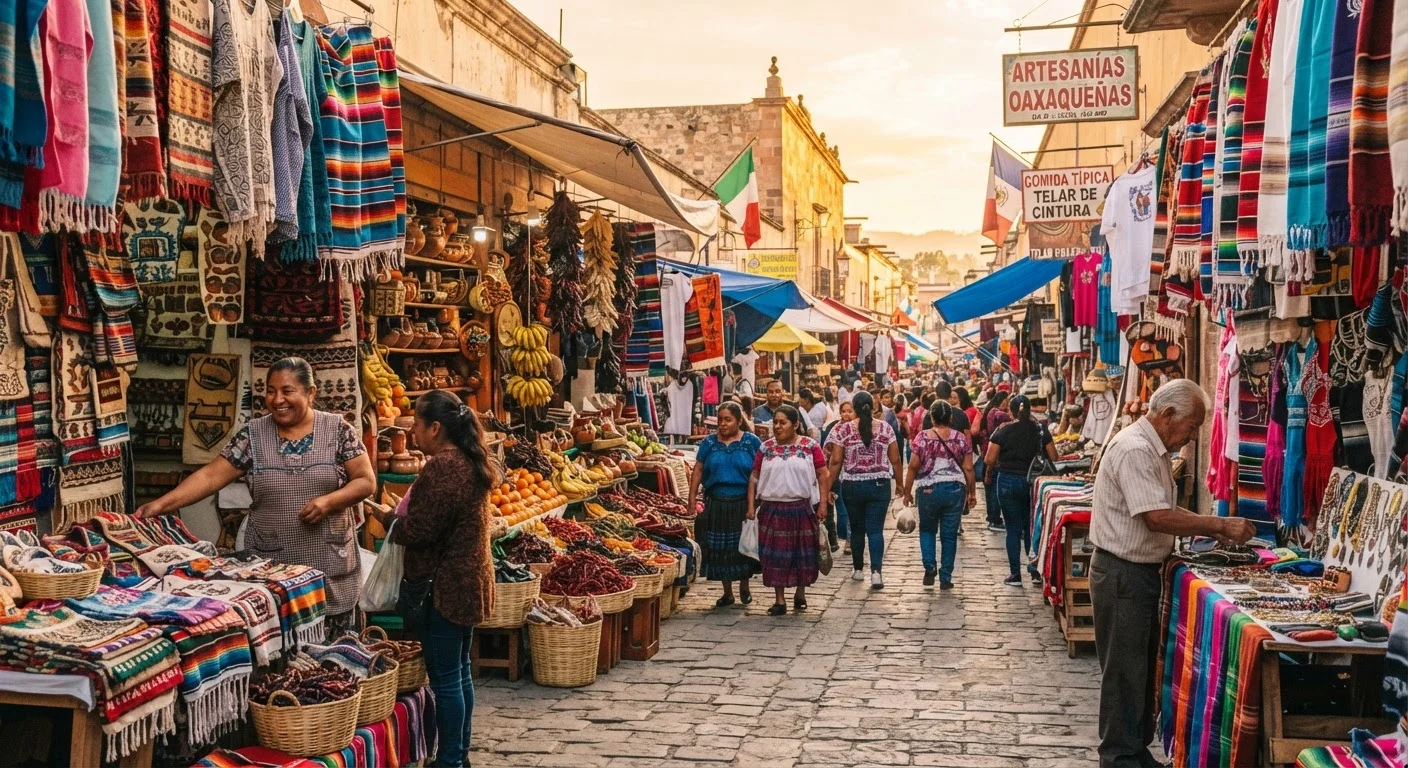
Mexico's economy runs heavily on cash, especially outside tourist-heavy zones. While many restaurants and shops in cities accept cards, smaller markets, local eateries (called fondas), taxis, and buses typically expect pesos. ATMs are available in most cities and larger towns, but fees vary - withdrawing larger amounts less frequently saves on charges. Airport exchange booths are convenient but tend to offer less favorable rates than in-city ATMs or banks.
#1
Most visited country in Latin America
Mexico consistently ranks as the most-visited country in Latin America by international tourists, according to the United Nations World Tourism Organization.
~65%
Transactions in Mexico conducted in cash
The Bank of Mexico has reported that the majority of transactions in the country - particularly outside major cities - are conducted in cash, underscoring the importance of carrying pesos.
For getting around, Mexico has a well-developed long-distance bus network. First-class ADO buses connect major cities and tourist destinations with reliable air conditioning, assigned seating, and luggage storage - often comparable to flying for comfort, at a fraction of the cost. Within cities, registered taxis booked through apps or hotel desks are safer options than hailing unmarked cabs from the street. Ride-hailing apps operate in most large urban centers and provide fare transparency.
See our guide to building a realistic travel budget for help accounting for these day-to-day expenses before you leave home.
Health, Safety, and Getting the Basics Right
Tap water is not safe to drink in the vast majority of Mexican destinations - this applies in cities as well as rural areas. Stick to bottled or purified water, including for brushing teeth if you're cautious. Most hotels provide purified water dispensers; many restaurants catering to locals use filtered water for cooking, but it's fine to ask. Street food is a genuine highlight of Mexican travel, but start with stalls that have high turnover and visibly fresh ingredients, and build up gradually if your stomach needs time to adjust.
Travel insurance with medical evacuation coverage is strongly recommended - not just for Mexico, but for any international trip. Private hospitals in Mexico's cities are generally high quality, but costs without insurance can be substantial. Carry any essential medications in original packaging with a copy of your prescription.
On personal safety: situational awareness matters more than fear. Most travel-related incidents involve petty theft in crowded areas. Keep valuables out of sight, use hotel safes, and avoid displaying expensive electronics or jewelry in unfamiliar areas. Traveling with others, particularly at night, reduces risk in most contexts. Always let someone know your plans.
For a thorough look at logistical snags that catch travelers off guard internationally, our guide to international travel friction points covers SIM cards, currency, and entry requirements in practical detail.
Best Practices for Traveling Independently in Mexico
Independent travel in Mexico rewards preparation and flexibility in equal measure. Whether you're navigating Oaxaca's markets or catching a ferry in Baja, a few consistent habits make the experience dramatically smoother.
Research your specific destination's current conditions, not just the country overall
Mexico's 31 states have dramatically different safety profiles, infrastructure quality, and traveler environments. Generalizing leads to either unnecessary anxiety or false confidence. Accurate, location-specific research lets you plan and pack appropriately.
Always carry a supply of pesos, even if you plan to pay by card
Card acceptance is inconsistent outside tourist zones, and machines can be offline in smaller towns. Having local currency on hand means you won't miss out on local markets, food stalls, or small transport options that don't take cards.
Use officially registered transport - apps, hotel-arranged taxis, or first-class buses
Unmarked taxis and informal transport carry higher risk, particularly in larger cities. Registered options provide fare predictability and a degree of accountability. This is especially important at airports, where unofficial taxi solicitors are common.
Drink only bottled or purified water - and ask about ice when eating out
Waterborne illness is a genuine risk for visitors whose systems aren't accustomed to local water. Even a mild case can derail several days of a trip. Purified water is inexpensive and widely available.
Learn basic Spanish phrases before you arrive
English fluency drops significantly outside resort and major urban areas. Even modest Spanish - greetings, numbers, directions, and polite requests - earns goodwill and opens doors that would otherwise stay closed to non-Spanish speakers.
Accommodation choices also shape your trip significantly. Guesthouses and locally run hotels often place you closer to neighborhoods worth exploring - and at better value than international chains in the same area. See our breakdown of accommodation options for guidance on matching your lodging to your travel style. If your budget is a central concern, the honest guide to budget travel offers strategies specific to independent travelers.
This article provides general travel information only. Conditions, regulations, safety situations, and entry requirements can change. Always verify current guidance with official government sources - including the U.S. State Department and Mexican immigration authorities - before you travel.