

Key Takeaways
Kyoto as a Travel Destination
Kyoto is Japan's ancient imperial capital - a city built around temples, tea ceremonies, seasonal rituals, and centuries of preserved tradition. Unlike fast-paced urban destinations, Kyoto invites a slower, more reflective style of travel. It's a place where culture, not convenience, sets the pace.
Kyoto Prefecture encompasses 17 UNESCO World Heritage Sites, including temple complexes and historic districts, making it one of the most culturally dense destinations in East Asia.
What Defines the Kyoto Travel Experience
Kyoto isn't a city you rush through. It's a destination built for reflection - where a single moss-covered temple garden can hold your attention for an hour if you let it. The rhythm here is deliberate, the aesthetic deeply rooted in wabi-sabi, and the culture layered in a way that reveals itself gradually rather than all at once.
That's the core question worth asking before you book: do you want to absorb a place, or cover it? Travelers who thrive on checking off landmarks and keeping a packed itinerary can certainly visit Kyoto - but they risk leaving feeling like they missed the point. The city consistently rewards those who slow down.
Compared to Tokyo's electric pace, Kyoto operates on an entirely different frequency. If you're curious how those two cities stack up as destinations, our guide on Tokyo for first-time visitors breaks down what that city specifically demands of travelers.
17
UNESCO World Heritage Sites in Kyoto
Kyoto Prefecture contains 17 UNESCO-designated properties, including temples, shrines, and castle grounds recognized for their outstanding universal cultural value.
50M+
Annual visitors to Kyoto Prefecture
Kyoto consistently ranks among Japan's most visited destinations, drawing tens of millions of domestic and international travelers each year, according to Japan Tourism Agency data.
1,600+
Buddhist temples in Kyoto
The city is home to more than 1,600 Buddhist temples and 400 Shinto shrines, a density of sacred sites unmatched by almost any other city in the world.
Traveler Types Who Tend to Love Kyoto
Culture seekers are the obvious fit - visitors who geek out over ancient architecture, Buddhist temple history, or the living traditions of the geisha districts (hanamachi). But Kyoto also deeply resonates with a few less obvious traveler profiles:
- Slow travelers and minimalists who prefer one rich experience over five rushed ones
- Photographers and visual artists drawn to maple-lit temple courtyards, lantern-lined alleys, and pre-dawn shrine paths
- Food-focused travelers interested in kaiseki (Japanese multi-course cuisine), street tofu, matcha everything, and Nishiki Market's dense flavors
- Solo travelers who want safety, walkability, and space to reflect without social pressure
- Couples seeking romantic, atmospheric settings rather than high-energy nightlife
Kyoto also suits travelers who appreciate texture over spectacle - discovering a small neighborhood shrine between machiya (traditional townhouses) often lands harder than any famous landmark.
Who Might Find Kyoto Challenging - or Underwhelming
Honesty matters here. Kyoto genuinely isn't the right fit for every traveler, and there's no shame in that. If your travel energy skews toward late nights, electric social scenes, or adrenaline-driven adventures, Kyoto will feel quiet to the point of frustration.
Travelers who struggle with high heat and humidity should know that Kyoto's summer months are intensely hot - more so than coastal Japanese cities - which makes long temple walks physically demanding. Conversely, winters are cold and some outdoor sites lose their visual appeal when stripped of foliage.
Budget travelers can absolutely visit Kyoto affordably, but the accommodation landscape is worth thinking through carefully. Staying in a traditional machiya guesthouse or ryokan (Japanese inn) shapes the trip very differently than an international hotel. Our guide to accommodation options and what each one means for your trip is worth reading before you decide.
Visit Major Sites Before 8 AM
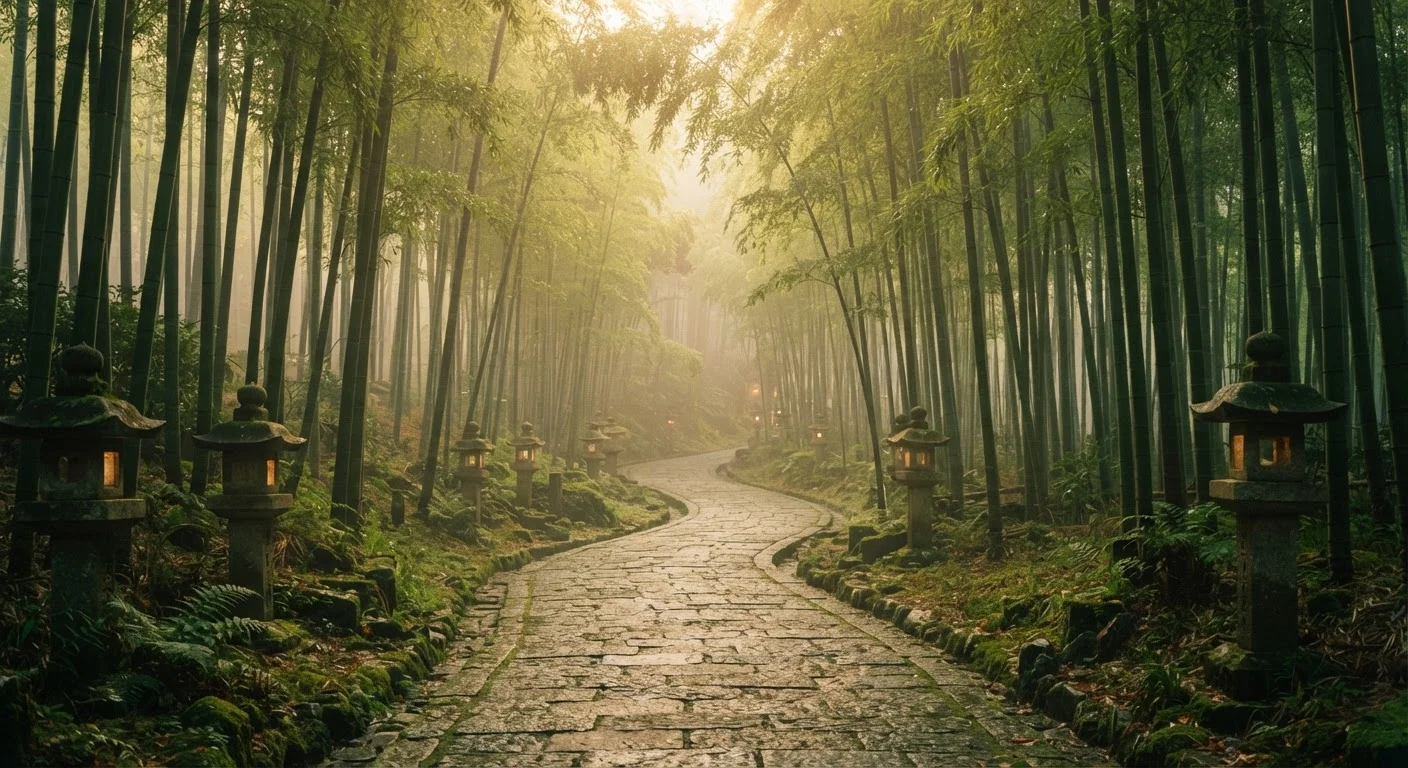
Crowds at Kyoto's most famous spots - Fushimi Inari Taisha, Arashiyama Bamboo Grove - can become overwhelming by mid-morning, especially during cherry blossom and fall foliage seasons. Setting an early alarm genuinely transforms the experience. Many shrine precincts have no entry gates or fees, making early access completely feasible.
Practical Expectations Before You Arrive
Kyoto's public transit is reliable but not quite as intuitive as Tokyo's for first-time Japan visitors. Buses are the primary intra-city network, and IC cards (prepaid transit cards) work across buses and trains - grab one at the airport. Walking is genuinely viable for many central neighborhoods.
Etiquette matters more visibly here than in most international cities. Temple and shrine visits come with behavioral expectations: quiet voices, no touching of sacred objects, and respectful dress in certain areas. These aren't traps for tourists - locals are generally patient with well-meaning visitors - but awareness earns goodwill.
Finally, verify all entry requirements, current travel advisories, and visa conditions through official government sources before booking. Conditions change, and no travel guide - including this one - is a substitute for up-to-date official information.
Kyoto will meet you where you are, provided you arrive curious and unhurried. It's one of the world's rare places where the experience genuinely rewards preparation.