

Key Takeaways
The Gap Between the Fantasy and the City
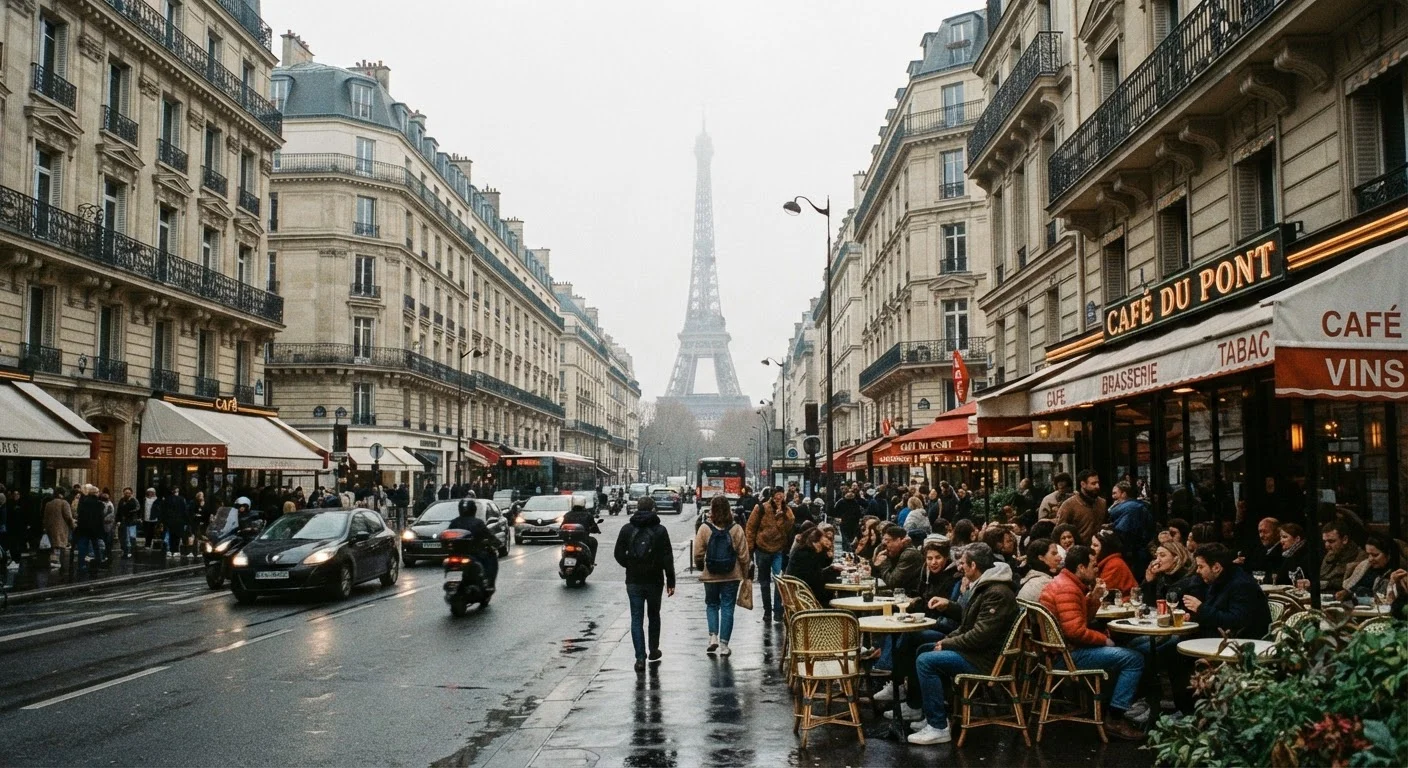
Paris carries more accumulated mythology than almost any city on earth. Films, novels, and social media have layered it with expectations that the real place - loud, crowded, occasionally brusque, and sometimes smelling of the Metro - cannot always match. That gap between expectation and experience is the root of most Paris disappointments, and it's entirely possible to close it before you even board your flight.
The good news: travelers who arrive with clear, grounded expectations consistently report that Paris surpasses them. The city's food, architecture, museums, and street life are genuinely extraordinary. The key is approaching it as a real, working metropolis rather than a film set. See our guide on Italy misconceptions for a sense of how this expectation gap plays out across European cities.
Treating the Louvre and Eiffel Tower as drop-in attractions.
Why it happens: They look approachable on a map, and travelers assume fame means accessibility. In reality, queues can stretch for hours without a timed entry reservation.
Skipping basic French pleasantries and assuming English is the default.
Why it happens: English is widely spoken in tourist areas, so many visitors never bother. But leading with English - without a bonjour or pardon - can come across as dismissive of local culture.
Staying exclusively in the 1st or 8th arrondissement because it feels central and familiar.
Why it happens: These areas are heavily marketed and feel safe for first-timers. But they're also the most expensive and least representative of everyday Parisian life.
Packing too many cities or day trips into the same itinerary.
Why it happens: Paris feels like a hub, and Versailles, Champagne, and the Loire Valley all call out from the map. The temptation to see everything in reach is real.
Underestimating jet lag on the first full day.
Why it happens: Excitement overrides fatigue on arrival, and travelers push hard on day one. The crash usually hits on day two or three, right when major plans are scheduled.
Practical Habits That Change Everything
Beyond mindset, a few concrete habits separate visitors who leave energized from those who leave frazzled. First, build in genuine downtime. Paris rewards wandering - sitting at a café for an hour without a destination in mind often produces the memories people talk about for years. If every hour of your itinerary is accounted for, you'll miss this entirely. Over-scheduling is one of the most common planning mistakes travelers make, and Paris is particularly unforgiving of it.
Second, spend at least one full day in a neighborhood that isn't on most must-see lists - Belleville, the Canal Saint-Martin area, or the 11th arrondissement, for example. These districts give you a truer sense of how Parisians actually live. For a parallel approach in another major European capital, understanding London's distinct neighborhoods before you arrive follows the same logic.
Finally, trust your feet. Paris is surprisingly walkable between many central landmarks, and half the pleasure is what you discover between them. If navigation in unfamiliar cities makes you anxious, practical orientation strategies can help you move confidently without staring at your phone the whole time.
~37M
Annual international visitors to Paris
Paris consistently ranks among the world's most visited cities, according to figures from the Paris Region tourism authority, making crowd management a real planning consideration.
3-4 hrs
Average unplanned wait for Eiffel Tower access
Travelers without reserved tickets commonly report multi-hour waits, particularly during summer months and holiday periods.