

Home & Garden

Preparing Your Garden for Winter: A Seasonal Checklist

Share
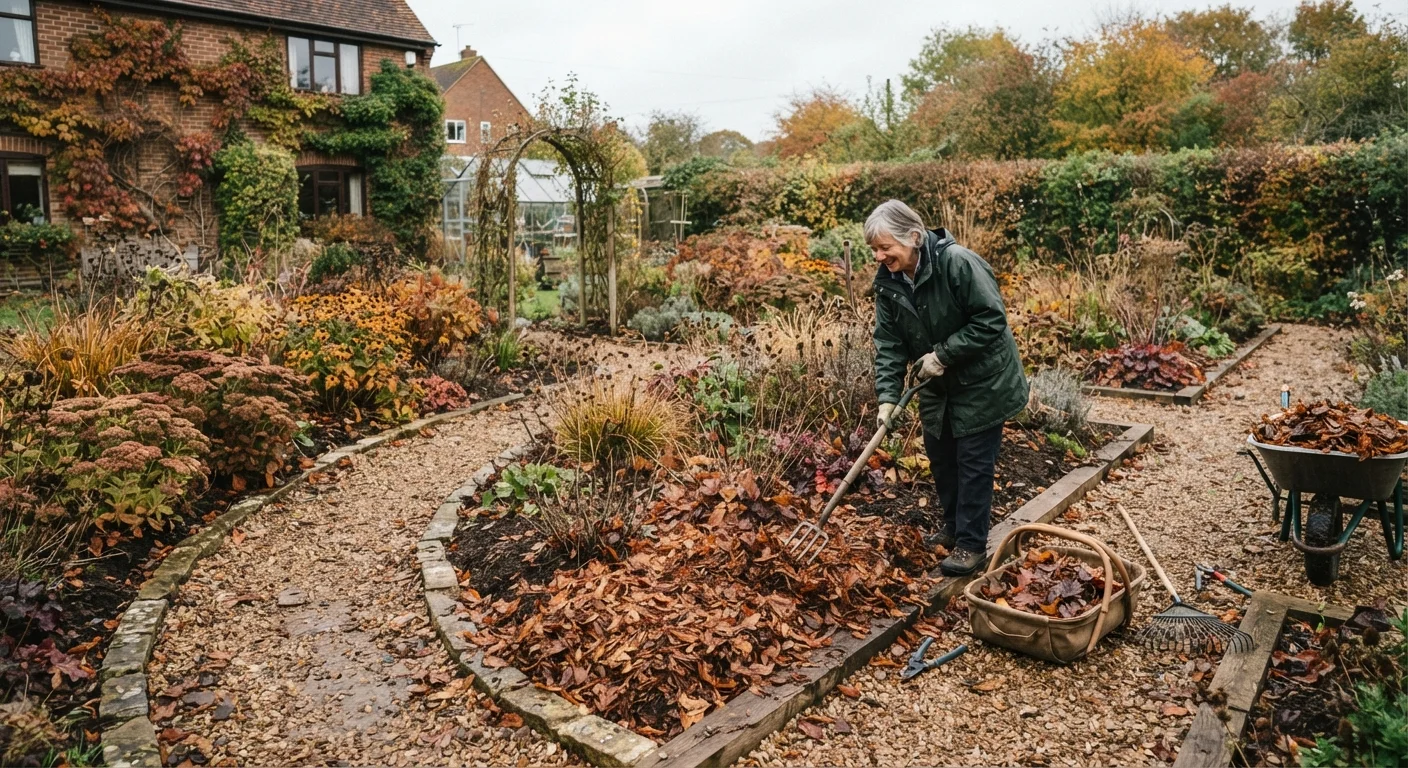
A gardener spreading mulch over garden beds in autumn to prepare plants for winter.

Key Takeaways

Cleaning up dead plant material in fall reduces disease and pest pressure the following season.
Mulching garden beds before the ground freezes insulates roots and retains moisture.
Amending soil with compost in autumn gives organic matter time to break down before spring planting.
Tender perennials, container plants, and bulbs need specific protection strategies before first frost.
Winterizing irrigation lines and draining hoses prevents costly freeze damage to equipment.
60–180 min

Summary

22 items · 1–3 hours depending on garden size

Why Fall Garden Prep Matters

Most gardening advice focuses on spring planting and summer maintenance, but the work you do before winter is equally important. A few focused hours in autumn can mean the difference between a garden that struggles to recover and one that bounces back strong the moment temperatures rise.

This checklist covers everything from cleaning up spent plants and protecting perennials to caring for your soil and shutting down irrigation systems. Work through it section by section — you don't have to do everything in one session, but aim to finish before your area's average first hard frost date. You can look up your local frost dates through your state's cooperative extension service website.

If you're also tackling indoor seasonal prep, our seasonal home maintenance checklist covers gutters, heating systems, and weatherproofing to complement your garden work.

Cleanup and Removal

Cut back dead annuals and pull them from beds, removing roots to prevent disease from overwintering in the soil. Must
Remove spent vegetable plants entirely, especially those that showed signs of disease or pest damage during the season. Must
Rake and dispose of fallen leaves from lawn areas to prevent smothering grass and creating fungal habitat. Must
Shred disease-free leaves and add them to your compost pile or use them as mulch in garden beds. Should
Leave seed heads on ornamental grasses and coneflowers intact through winter to provide food for birds. Nice to have

Soil Care and Amendment

Add 2–3 inches of finished compost to garden beds and gently work it into the top few inches of soil. Must
Test your soil pH if you haven't done so in the past two or three years, using an inexpensive kit or cooperative extension service. Should
Apply lime or sulfur based on your soil test results to correct pH before spring, giving amendments time to take effect. Should
Avoid tilling compacted or waterlogged soil in fall; walking on wet soil compacts it further and damages structure. Must

Mulching and Insulating

Apply 3–4 inches of mulch over perennial beds after the ground begins to cool but before it freezes hard. Must
Keep mulch a few inches away from plant crowns and stems to prevent rot and discourage rodent nesting. Must
Wrap marginally hardy shrubs and young trees with burlap if your winters include prolonged deep freezes or heavy snow loads. Should

Bulbs, Perennials, and Tender Plants

Dig up tender bulbs such as dahlias, cannas, and gladiolus after the first light frost kills the foliage, then dry and store them in a cool, dry location. Must
Plant spring-blooming bulbs — tulips, daffodils, and crocuses — before the ground freezes, ideally six weeks before your average first frost. Must
Move container plants with tender root systems into an unheated garage or shed before temperatures drop below freezing consistently. Must
Cut back herbaceous perennials to a few inches above the ground once foliage has died back naturally. Should

Irrigation and Equipment

Drain and disconnect garden hoses, then store them indoors to prevent cracking in freezing temperatures. Must
Shut off irrigation system water supply and drain or blow out lines before the first hard freeze. Must
Clean, sharpen, and oil garden tools before storing them for winter to extend their useful life. Should
Empty and store terra cotta pots indoors, as these can crack when moisture in the clay freezes and expands. Should
Drain and clean bird baths, then store or cover them to avoid freeze cracking. Nice to have

Tools and Supplies You'll Need

Before you start, gather the right materials. Having everything on hand keeps the work efficient and prevents mid-task interruptions.

Required

Garden fork or spade

Used to turn compost into beds and lift tender bulbs without damaging them.

Required

Leaf rake

Clears fallen leaves from lawn and beds efficiently.

Required

Finished compost

Applied to beds to improve soil organic matter and structure over winter.

Required

Mulch (shredded bark, straw, or leaves)

Insulates soil and plant roots against freeze-thaw cycles.

Optional

Burlap wrap

Protects marginally hardy shrubs and young trees from windburn and heavy snow.

Optional

Soil test kit

Measures pH and basic nutrient levels so you can amend accurately before spring.

Optional

Tool sharpening file and linseed oil

Keeps cutting tools sharp and metal surfaces rust-free during storage.

For mulching and soil amendment, our guide on compost vs. mulch explains the distinct roles each material plays so you apply the right product in the right place.

A Note on Irrigation Winterization

One of the most commonly skipped steps is properly draining and shutting down irrigation systems. Water left in pipes and fittings can freeze, expand, and crack components — repairs are far more expensive than prevention.

Don't Skip Irrigation Drainage

Even a single overnight freeze can crack PVC irrigation pipes and damage backflow preventers if water is left inside. This step is easy to postpone and expensive to ignore. Schedule irrigation winterization for at least a week before your region's projected first hard freeze — not after it.

In-ground sprinkler systems typically need to be blown out with compressed air by a professional or experienced DIYer. Drip systems and above-ground soaker hoses are easier: drain them, disconnect, and store indoors. For a deeper look at how these systems differ and what their maintenance requirements involve, see our article on drip irrigation vs. sprinkler systems.

In-Ground Sprinkler Blowout: Know Your Limits

Blowing out an in-ground irrigation system with compressed air requires the right equipment and technique. Using too much pressure or the wrong method can damage pipes and heads. If you're unfamiliar with the process, hiring an irrigation professional for this one task is a worthwhile investment — the cost is typically far less than a single repair job.

Home & Garden Editorial Team is the collective byline for our editorial team and contributor network. Articles published under this byline or an editorial pen name are researched, written, and reviewed according to our editorial standards for clarity, consistency, and independence before publication.

View all articles by Home & Garden Editorial Team →
Disclaimer: The content provided on our blog site traverses numerous categories, offering readers valuable and practical information. Readers can use the editorial team’s research and data to gain more insights into their topics of interest. However, they are requested not to treat the articles as conclusive. The website team cannot be held responsible for differences in data or inaccuracies found across other platforms. Please also note that the site might also miss out on various schemes and offers available that the readers may find more beneficial than the ones we cover.