

Key Takeaways
Why Home Improvement Myths Are So Persistent
Home improvement advice travels fast - from neighborhood conversations, social media tutorials, and well-meaning relatives. The problem is that much of it is rooted in outdated practices, misunderstood products, or selective anecdote. A tip that worked once, in a specific situation, gets repeated as universal truth. For homeowners trying to protect their biggest financial asset, acting on bad information carries real costs: wasted materials, failed repairs, and sometimes damage that's more expensive to fix than the original problem.
The myths below cover some of the most commonly repeated beliefs we encounter - and what the evidence actually supports instead.
Myth
Bleach kills mould completely and prevents it from coming back.
Fact
Bleach removes surface discolouration on non-porous materials but does not eliminate mould roots in porous surfaces, and it does nothing to fix the moisture driving growth.
Bleach is effective on glass, tile, and sealed countertops - surfaces where mould sits on top. But on drywall, wood framing, or grout, mould grows beneath the surface. The bleach's water component can actually penetrate deeper and feed remaining mould. More importantly, mould is a symptom of a moisture problem. Without fixing the source - a slow leak, condensation, or inadequate ventilation - mould returns within weeks. Our guide to diagnosing indoor moisture problems explains how to identify and address the real cause.
Myth
DIY always saves you money compared to hiring a professional.
Fact
DIY can save money on straightforward tasks, but the learning curve, tool costs, and risk of mistakes often erode - or reverse - any savings.
The math on DIY savings looks simple until you add up tool purchases, material waste from errors, and time spent troubleshooting. A tiling job that takes a professional two days might take a first-timer a week, with several broken tiles and a potential re-do. For tasks requiring specialist knowledge - electrical panel work, gas appliances, load-bearing changes - professional fees frequently cost less than correcting DIY mistakes. Build your skills on lower-stakes projects first. Our first-time homeowner's DIY introduction outlines which projects make good starting points.
Myth
You can paint over any damaged wall surface and it will look fine.
Fact
Paint does not hide structural defects - it accentuates them. Proper surface preparation is what determines how a finished coat looks and lasts.
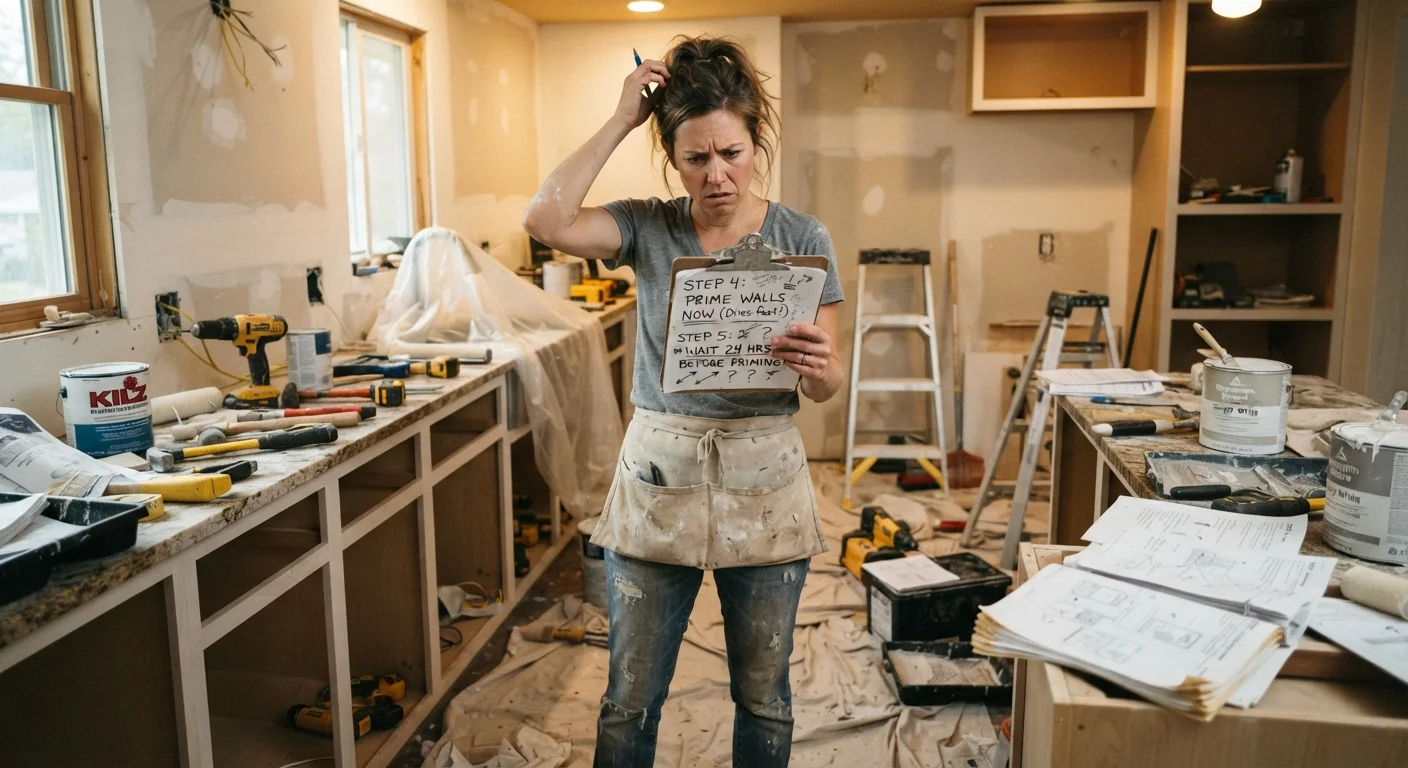
Cracks, holes, bubbling, and uneven patches become more visible once paint dries because gloss and sheen catch raking light. Skipping the fill-sand-prime sequence means paint adhesion is weak, leading to peeling within months rather than years. Preparation - filling voids, sanding transitions smooth, and applying appropriate primer - is the unsexy step that actually determines results. Budget at least as much time for prep as for painting itself.
Myth
Expanding foam spray can substitute for proper wall or attic insulation.
Fact
Expanding foam is an excellent air-sealing product but is not a replacement for bulk insulation materials like batts or blown-in cellulose.
Foam is highly effective at sealing gaps around pipes, window frames, and penetrations - the kind of air leakage that undermines even well-insulated homes. However, its thermal resistance (R-value per inch) is not efficient enough or cost-effective at the thicknesses needed to insulate whole wall cavities or attic floors. Using foam where batts or blown insulation is appropriate wastes money and underperforms. Use each product for what it does best: foam seals, insulation batts resist heat transfer.
Myth
Caulking is only necessary in bathrooms around tubs and showers.
Fact
Caulking is one of the highest-impact weatherproofing steps a homeowner can take, extending well beyond wet areas to windows, doors, and exterior penetrations.
Gaps around window frames, exterior door thresholds, and where pipes or cables enter the home account for significant heat loss in winter and cool-air loss in summer. Re-caulking these areas is a low-cost, high-return weekend task. Our weekend caulking project guide walks through the specific spots that deliver the most noticeable energy savings.
Myth
Any improvement you make to your home increases its resale value by at least what you spent.
Fact
Most renovations recover only a portion of their cost at resale, and some over-improvements can actually make a home harder to sell.
Return on investment varies significantly by project type, local market, and how improvements align with neighborhood norms. Cosmetic updates like fresh paint and refinished floors tend to yield stronger returns relative to cost than high-end kitchen overhauls in mid-range neighborhoods. Over-improving - installing luxury finishes in a starter-home market - typically does not recoup costs because buyers in that price range won't pay for features out of step with comparable properties. Research your local market before committing to large-scale renovations with resale as the primary motivation.
Where Homeowners Can Go From Here
Separating fact from fiction is the first step - but building genuine DIY confidence takes practice on appropriate projects. Safety matters too: tasks like working at height carry risks that are easy to underestimate. Our ladder safety guide covers the positioning and stability principles that prevent the most common DIY injuries.
Interestingly, the same critical thinking that applies to home improvement myths applies elsewhere - whether you're questioning garden pest folklore or decorating rules that don't hold up. Verify before you act, budget honestly, and know when a licensed professional is the smarter investment.
Bleach and Mould: A Temporary Fix
Applying bleach to mould on porous surfaces like drywall or wood gives the appearance of removal but does not kill mould at its root structure. Without addressing the underlying moisture problem - whether condensation, a leak, or poor ventilation - mould reliably returns. For persistent or widespread mould, consult a qualified remediation professional rather than relying on surface treatments alone.