

Key Takeaways
Why Small Pets Are So Easy to Misread
Rabbits, guinea pigs, hamsters, rats, and pet birds share a survival trait that makes them genuinely difficult to care for: they suppress visible signs of illness for as long as possible. In the wild, showing weakness invites predation, so this instinct runs deep. The result for owners is that by the time a small pet looks obviously sick, the condition may already be serious.
This isn't a reason for alarm - it's a reason for informed, attentive observation. Unlike dogs and cats, whose symptoms and vet care are widely covered, small and exotic pets are often under-discussed in mainstream pet health content. Owners may not know what a healthy baseline looks like, let alone what subtle deviation from it signals. The signs below apply broadly across common small pet species, though you should always seek species-specific guidance from a vet experienced with exotic animals. For a full picture of when to seek professional care, see our guide to small pet veterinary care.
Changes in eating or drinking habits
A sudden reduction in food intake - or a complete refusal to eat - is one of the most urgent warning signs in small animals, particularly rabbits and guinea pigs. Rabbits that stop eating for more than a few hours are at risk of gastrointestinal stasis, a life-threatening condition where gut movement slows or stops entirely. Guinea pigs that aren't eating may be experiencing dental pain, a common and underdiagnosed problem in the species.
Increased thirst paired with frequent urination can signal kidney disease, diabetes, or other metabolic disorders in rats and hamsters. Track how much food disappears daily and check water bottle or bowl levels consistently.
A rabbit that stops eating for just a few hours warrants immediate veterinary attention.
Unusual stillness or reduced activity
Most small pets have predictable active periods tied to their natural rhythms - guinea pigs are diurnal, hamsters are nocturnal, rabbits are crepuscular. A pet that is unusually still or unresponsive during its normal active window is displaying a red flag. Lethargy in small animals often indicates pain, infection, or organ stress.
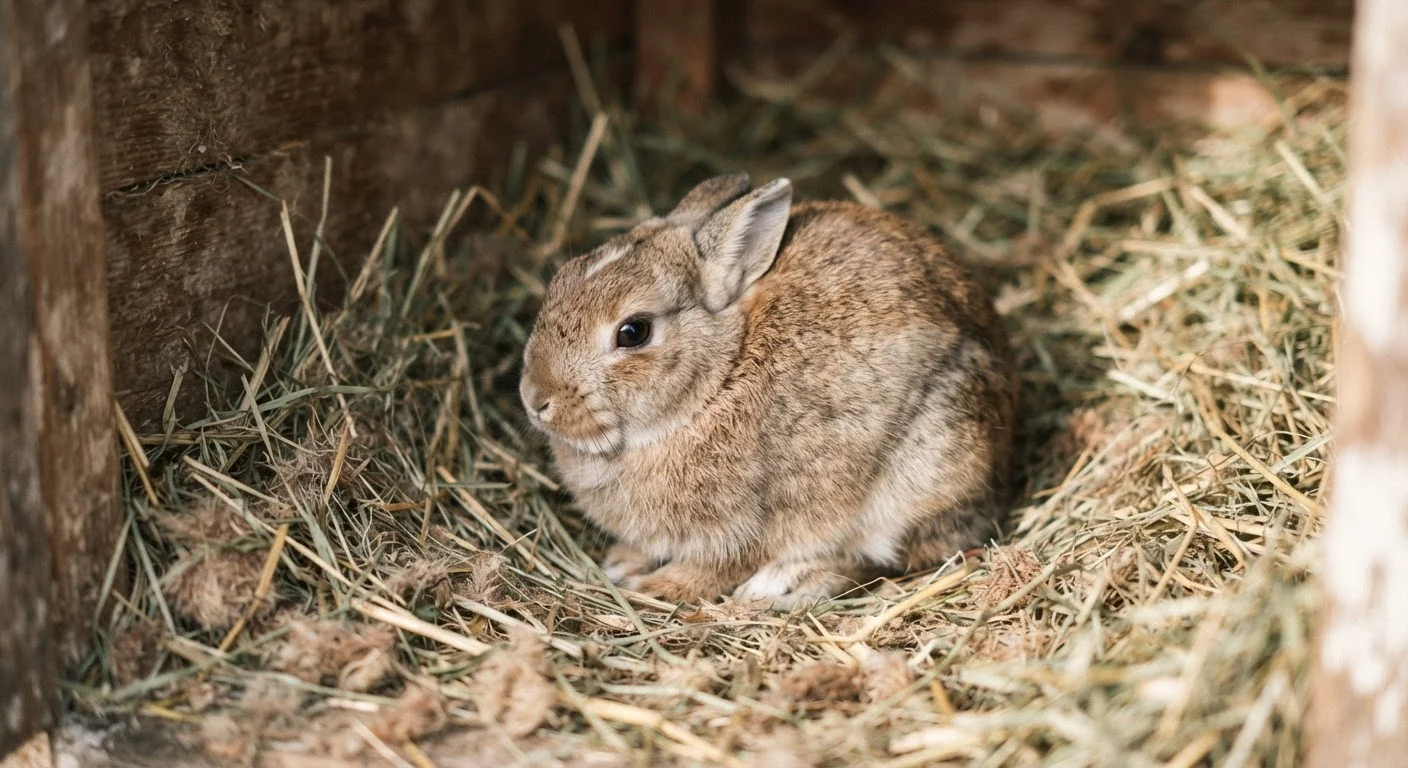
Don't confuse normal rest with pathological stillness. A lethargic rabbit will often sit hunched in a loaf position, eyes half-closed, and won't respond with normal curiosity to stimuli. This is different from a relaxed rabbit sprawled comfortably on its side.
Lethargy during a pet's normally active period is a reliable early warning that something is wrong.
Changes in droppings or urine
Examining droppings is an unglamorous but essential part of small pet care. Rabbit droppings should be round, firm, and uniform - small, misshapen, or absent droppings suggest gut slowdown. Guinea pigs and rabbits also produce cecotropes (soft droppings they eat directly from their hindquarters); an accumulation of uneaten cecotropes may indicate obesity, dental problems, or arthritis preventing them from reaching properly.
In birds, droppings consist of three distinct parts: solid waste, urates, and liquid urine. Changes in color, consistency, or volume in any of these components - particularly green-tinged urates or watery liquid - can indicate liver disease, infection, or dietary issues and should be evaluated promptly.
Droppings are among the clearest daily health indicators small pet owners have access to.
Abnormal posture or movement
A hunched posture, reluctance to move, or difficulty bearing weight on a limb all suggest pain or injury. In rabbits, a persistently hunched stance with grinding teeth (bruxism) is a clear pain signal. Rats and mice with a hunched back and ruffled fur - referred to as a 'puffed up' appearance - are typically unwell and should be seen quickly.
In birds, sitting on the cage floor rather than perching is a significant warning sign. Healthy birds perch; a bird on the ground is commonly conserving energy because it is ill. Head tilting in rabbits or rats may suggest an ear infection or neurological involvement, both of which require prompt diagnosis.
A bird sitting on the cage floor is not resting - it is almost always a sign of illness.
Coat, feather, or skin changes
A healthy small mammal grooms itself regularly, producing a coat that looks clean and smooth for its species. Unkempt, matted, or ruffled fur - especially around the hindquarters - can indicate that the animal is unable to groom due to pain, obesity, or dental problems, or that it has diarrhea it cannot clean away. Bare patches may signal mite infestation, fungal infection, or self-barbering linked to stress.
In birds, feather condition is a direct reflection of overall health. Persistent feather destruction, abnormal molting, or the appearance of stress bars on feathers (thin horizontal lines across the feather shaft) can indicate nutritional deficiency, chronic stress, or systemic illness. Discharge around the eyes, nares (nostrils), or beak in birds always warrants veterinary attention.
Unkempt fur in a small mammal is a grooming failure - and grooming failures are usually caused by underlying illness.
Withdrawal, hiding, or aggression
Prey animals instinctively seek isolation when they feel vulnerable, which makes excessive hiding a meaningful symptom. A guinea pig that retreats to a hide and refuses to come out for food - when it normally rushes to the cage front - is communicating distress. Similarly, sudden uncharacteristic aggression in a normally handleable animal often reflects pain rather than a personality change.
Learning to distinguish normal species behavior from illness-driven behavioral shifts requires knowing your individual animal's baseline. This is one reason that consistent, calm daily interaction matters so much - it lets you recognize deviation quickly. Understanding how to read stress signals more broadly is covered in our guide to handling small pets without causing stress.
Sudden aggression in a normally calm small pet is more likely a sign of pain than a behavioral problem.
Taking Action Before Problems Escalate
The most protective habit any small pet owner can build is consistent, structured observation. Spend a few minutes each day watching your pet move, eat, drink, and interact with its environment. Note any change - even one that seems trivial. Small animals deteriorate quickly, so a 24-hour wait-and-see approach that might be reasonable for a dog is rarely appropriate here.
Keep a simple daily log
Jot down food consumed, water intake, droppings appearance, and activity level each day - it only takes a minute. When you visit a vet, this log provides concrete, comparative data that is far more useful than a general sense that something seems 'off.' Patterns become visible in writing in a way they rarely do from memory alone.
If you notice any of the signs described above, contact a veterinarian with experience treating exotic or small animals rather than a general practice unfamiliar with your species. Handling stress can itself worsen a sick small pet's condition, so learning how to handle small pets without causing stress before a health crisis arises is genuinely valuable preparation. This article is general educational information and is not a substitute for professional veterinary advice tailored to your individual pet.