

Key Takeaways
Why Small Pet Veterinary Care Is Different
Owners of rabbits, guinea pigs, chinchillas, birds, and other small or exotic pets face a challenge that dog and cat owners rarely encounter: not every veterinarian is trained to treat them. Small and exotic species have distinct anatomy, metabolism, and stress responses that require specialized knowledge. A rabbit's digestive system, for example, is extraordinarily sensitive - anesthesia protocols, medication dosages, and even routine handling differ significantly from what a dog or cat would receive.
Before bringing any small pet home, identifying a qualified exotic-animal veterinarian in your area is one of the most important steps you can take. The preparation checklist for new small pet owners covers this alongside habitat setup and other essentials worth addressing in advance. Look for a vet who lists exotic or small mammal and avian medicine as a formal area of practice - membership in the Association of Exotic Mammal Veterinarians (AEMV) or a board certification in zoological medicine can signal appropriate expertise.
What a Routine Wellness Visit Looks Like
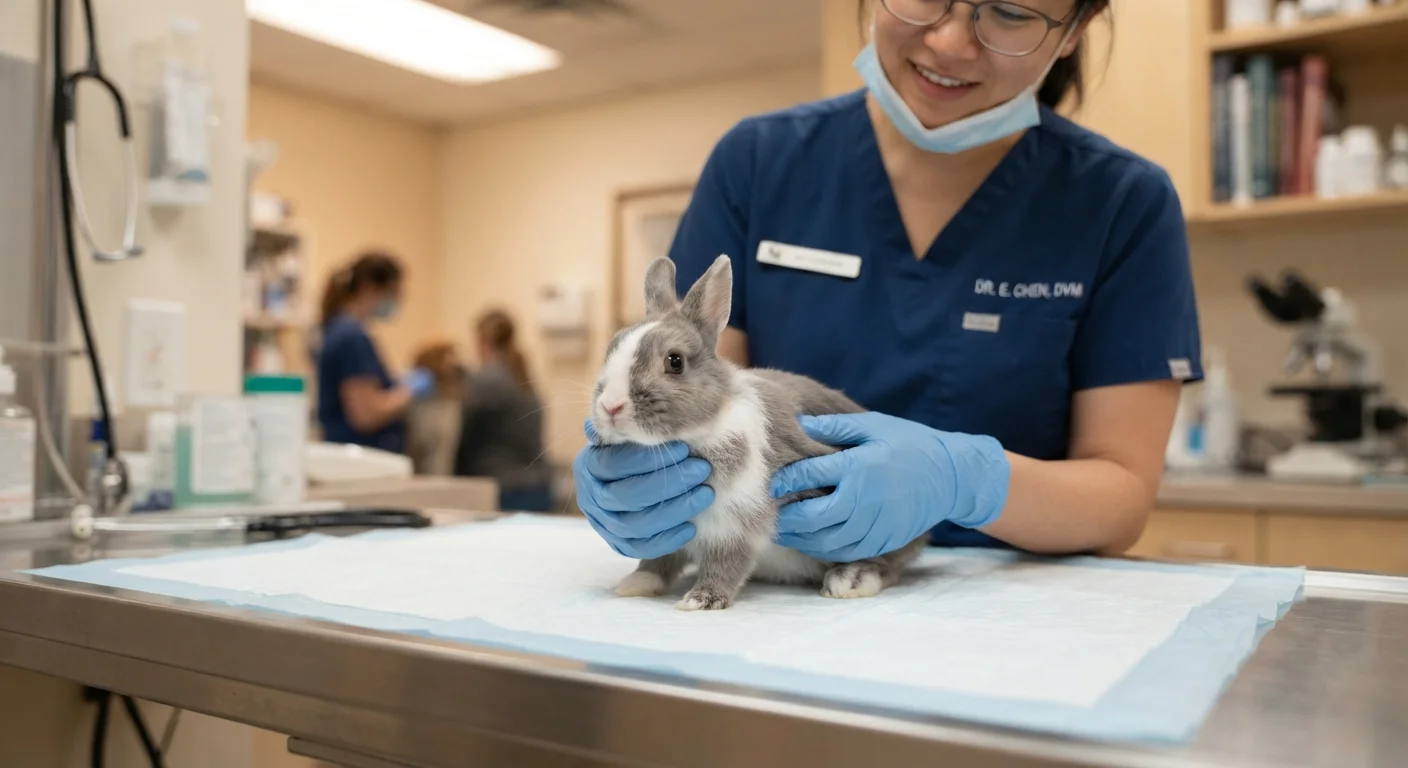
For most healthy small pets, veterinarians recommend a wellness exam once or twice per year. Because these animals age faster than dogs or cats and mask symptoms until illness is advanced, a baseline physical gives your vet the data needed to catch problems early. During a typical visit, you can expect:
- Weight check: Even small fluctuations - a 10% drop in body weight for a guinea pig - can signal underlying disease.
- Teeth and oral health: Rabbits, guinea pigs, and chinchillas have continuously growing teeth that can develop painful malocclusion (misalignment) silently.
- Heart and lung auscultation: Respiratory disease is common in birds and rodents and is often undetected at home until it is advanced.
- Skin, coat, and feather condition: Changes in feathering, fur texture, or skin can indicate nutritional deficiency, parasites, or hormonal issues.
- Behavioral history review: Your vet will ask about diet, activity level, and any changes in droppings or habits.
Bring a fresh fecal sample when possible - many exotic vets recommend a fecal parasite screen at least annually, particularly for animals housed outdoors or with access to fresh greens.
~50%
Rabbit illnesses missed without regular vet exams
Exotic animal veterinarians frequently note that dental disease and early organ disease in rabbits are routinely discovered only during routine wellness exams, as clinical signs often appear late.
24-48 hrs
Window for GI stasis treatment in rabbits
Veterinary literature consistently identifies gastrointestinal stasis as a rapidly progressing, life-threatening condition in rabbits that requires intervention within one to two days of onset.
Signs That Warrant Urgent or Emergency Attention
Small pets are prey animals by instinct, which means they are biologically programmed to conceal weakness. By the time visible symptoms appear, a condition may already be serious. Knowing which signs demand immediate veterinary attention - rather than a wait-and-see approach - can be the difference between a successful outcome and a critical decline.
Seek same-day veterinary care if your small pet stops eating or producing droppings.
For rabbits and guinea pigs, gastrointestinal stasis - a slowdown or halt of gut movement - can become fatal within 24 to 48 hours. Birds and rodents that stop eating are similarly in serious jeopardy given their high metabolic rates. Waiting even a day can allow these conditions to progress beyond effective treatment.
Treat labored, open-mouthed, or audible breathing as an emergency in any small pet.
Respiratory distress in birds, rabbits, and rodents indicates significant compromise. These animals have very little physiological reserve - oxygen deprivation or severe infection can deteriorate rapidly. Tail-bobbing in birds or a hunched, labored posture in rabbits often accompanies respiratory distress.
Contact a vet promptly if your pet experiences trauma, including falls, escape attempts, or contact with another animal.
Internal injuries, fractures, and shock are not always externally visible after a fall or attack. Small animals can appear calm while in serious physiological distress. Prompt examination allows a vet to assess for internal bleeding, broken bones, or puncture wounds before they worsen.
Report sudden, significant weight loss to your vet rather than attributing it to seasonal change or diet variation.
Weight loss of 10% or more of body weight in small pets is a clinically meaningful sign that warrants investigation. It can indicate dental disease, kidney failure, cancer, or infectious disease - all of which are more treatable when caught earlier. Because small pets weigh so little, even a few grams of loss can represent a substantial proportion of their body mass.
Never administer over-the-counter or human medications to small pets without explicit veterinary guidance.
Many medications safe for humans, dogs, or cats are toxic to rabbits, birds, rodents, and other exotic species. Dosing is also highly species- and weight-dependent; an incorrect dose of an otherwise appropriate drug can cause organ failure or death. Only a veterinarian familiar with the species should recommend or prescribe treatment.
For a broader look at how small pets mask discomfort before symptoms become obvious, the guide to overlooked illness signs in small animals is a useful companion resource.
Quick Actions You Can Take Right Now
Whether you are a new small pet owner or have kept these animals for years, a few proactive steps today can meaningfully improve your pet's long-term care.
Bird owners should also review what to expect in a pet bird's first year, which includes species-specific guidance on finding avian veterinary care and establishing healthy routines from the start.
This article is intended for general informational and educational purposes only. It is not a substitute for professional veterinary advice, diagnosis, or treatment. Always consult a qualified veterinarian for guidance specific to your pet's health and circumstances.