

Key Takeaways
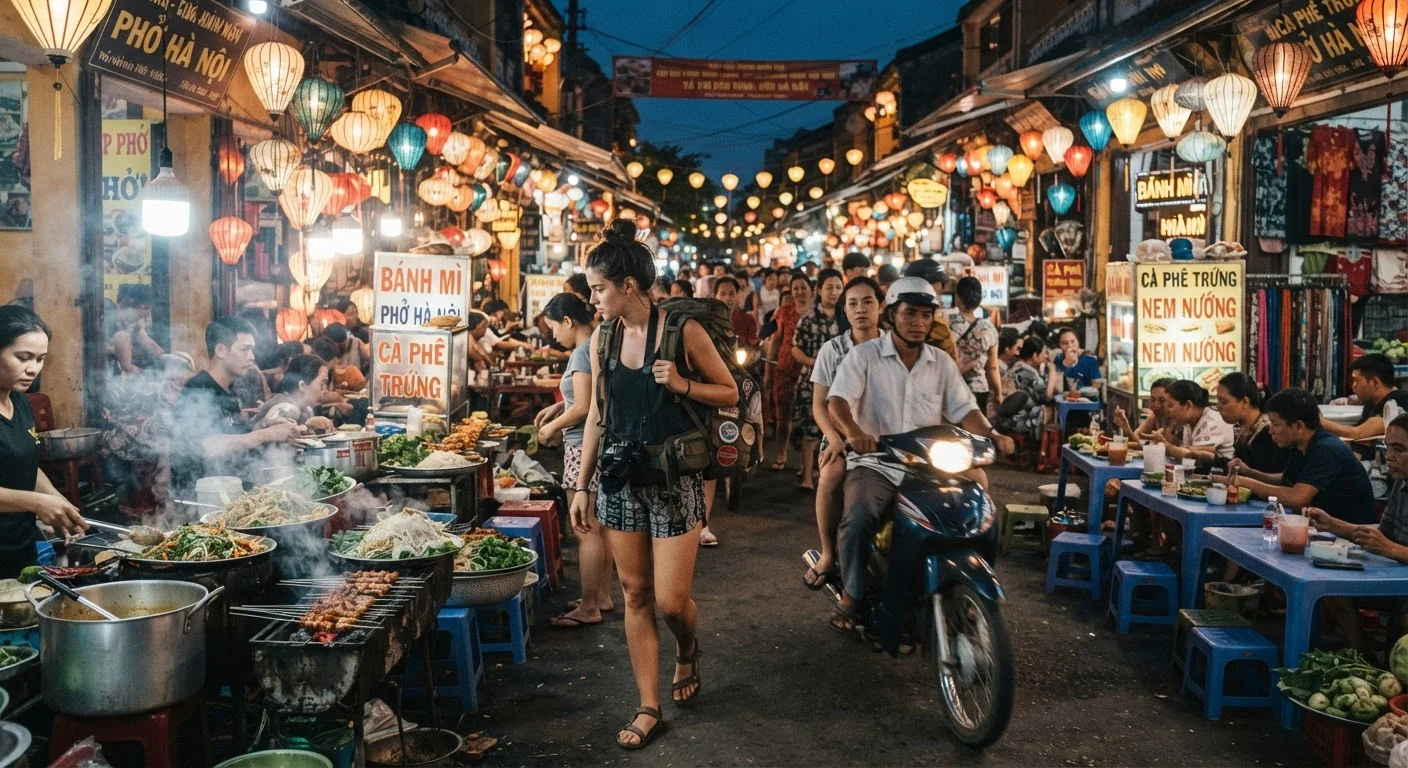
Exceptionally affordable food and street dining
Local markets and street stalls serve fresh, flavorful meals for $1-$3, making it easy to eat well without spending much. This alone dramatically lowers daily costs compared to most other global destinations.
Wide range of budget accommodation options
Hostels, guesthouses, and budget hotels are plentiful and often well-reviewed. Dorm beds in social hostels provide both affordability and built-in community for solo travelers.
Incredible destination variety within a compact region
From beaches to jungles to ancient cities, the geographical and cultural range across Southeast Asia means you can have dramatically different experiences without expensive long-haul flights.
Well-established backpacker infrastructure
Popular routes through Thailand, Vietnam, Cambodia, and Laos are navigable even for first-time independent travelers, with tour operators, guesthouses, and transport links catering to budget visitors.
Slow travel is genuinely rewarding and cheap
Overnight trains and long-distance buses are inexpensive and let you cover ground while saving on accommodation. The journey itself is often part of the experience.
Visa costs and logistics add up fast
Multiple countries mean multiple visa fees, and requirements vary significantly by nationality. Some borders involve queues, paperwork, and fees that aren't always obvious from travel websites.
Heat, humidity, and physical fatigue are real
Tropical climates are intense, especially during peak summer months. Long travel days in heat are draining, and budget accommodation doesn't always offer strong air conditioning.
Tourist pricing is pervasive in popular areas
In well-trafficked spots, a two-tier pricing system - one for locals, one for tourists - is common in transport, markets, and attractions. It's rarely unfair, but it affects your actual spend.
Health and safety risks require preparation
Food safety, mosquito-borne illnesses, road conditions, and water quality all vary. Skimping on travel insurance or vaccinations to save money can create serious financial and health consequences.
Budget transport comfort is unpredictable
Cheap overnight buses and ferries can mean poor sleep, overcrowding, or delays. What looks good in reviews doesn't always match the experience on the day.
Our Verdict
Traveling Southeast Asia on a budget is absolutely achievable and can be enormously rewarding - but the experience rarely matches the Instagram highlight reel. Costs are lower than most Western destinations, but smart planning still matters. The region rewards travelers who are adaptable, curious, and realistic about occasional discomfort.
Best suited to flexible travelers with at least a few weeks available, a tolerance for unpredictability, and a genuine interest in immersive, off-the-beaten-path experiences over polished resort tourism.
What 'Budget Travel' Actually Costs in Southeast Asia
The phrase 'budget travel in Southeast Asia' gets thrown around a lot - but real daily costs depend heavily on which country you're in and what your baseline expectations are. Thailand and Vietnam tend to offer some of the strongest value, with dorm beds running $8-$15 per night and street meals under $3. Indonesia, particularly Bali, has crept upward in price. Singapore and the Philippines can stretch a budget quickly if you're not careful.
A realistic shoestring traveler might spend $30-$45 per day across much of the region, covering accommodation, food, local transport, and occasional activities. That figure climbs once you factor in visas, intercountry flights, and tourist entry fees that many travelers underestimate at the planning stage. See our guide to building a realistic travel budget before you lock in any numbers.
$30-$45
Estimated daily spend on a shoestring budget
General traveler estimates for mid-range countries like Thailand and Vietnam, covering food, accommodation, and local transport - before activities or visas.
11
Countries that make up Southeast Asia
Each country has its own visa rules, currency, cost profile, and entry requirements - making advance planning essential for multi-country itineraries.
The Genuine Advantages of Budget Travel in the Region
Southeast Asia earns its reputation for value - and not just on accommodation. Street food culture is genuinely extraordinary, with local markets serving some of the most flavorful meals you'll eat anywhere in the world for a dollar or two. Slow buses and overnight trains are cheap and often more atmospheric than flying.
The density of things to do, see, and experience is also hard to match. From ancient temples to lush jungle treks to coastal islands, the variety is exceptional relative to what you spend. First-time solo travelers especially find the region forgiving - well-worn backpacker routes mean you're rarely the only foreigner navigating logistics, and a strong hostel culture creates natural social opportunities. If you're weighing solo versus group travel, read our honest comparison of solo travel vs. group tours.
Exceptionally affordable food and street dining
Local markets and street stalls serve fresh, flavorful meals for $1-$3, making it easy to eat well without spending much. This alone dramatically lowers daily costs compared to most other global destinations.
Wide range of budget accommodation options
Hostels, guesthouses, and budget hotels are plentiful and often well-reviewed. Dorm beds in social hostels provide both affordability and built-in community for solo travelers.
Incredible destination variety within a compact region
From beaches to jungles to ancient cities, the geographical and cultural range across Southeast Asia means you can have dramatically different experiences without expensive long-haul flights.
Well-established backpacker infrastructure
Popular routes through Thailand, Vietnam, Cambodia, and Laos are navigable even for first-time independent travelers, with tour operators, guesthouses, and transport links catering to budget visitors.
Slow travel is genuinely rewarding and cheap
Overnight trains and long-distance buses are inexpensive and let you cover ground while saving on accommodation. The journey itself is often part of the experience.
The Real Friction Points You Should Expect
Budget travel in Southeast Asia comes with genuine trade-offs that don't always make it into travel blogs. Visa requirements vary by nationality and change periodically - some borders require fees, photos, and documentation that can catch you off guard. Always verify entry requirements through official government sources before you travel, as rules shift without much warning.
Heat, humidity, and the physical demands of long travel days are real. Overnight buses that look fine on paper can mean 10 hours on a cramped, cold-aired vehicle with a soundtrack of Thai pop. Accommodation at the lower end can mean thin walls, shared bathrooms, and inconsistent Wi-Fi. These aren't dealbreakers - but they're part of the reality. For a broader look at logistical snags that catch international travelers off guard, see our guide to hidden friction points in international travel.
Visa costs and logistics add up fast
Multiple countries mean multiple visa fees, and requirements vary significantly by nationality. Some borders involve queues, paperwork, and fees that aren't always obvious from travel websites.
Heat, humidity, and physical fatigue are real
Tropical climates are intense, especially during peak summer months. Long travel days in heat are draining, and budget accommodation doesn't always offer strong air conditioning.
Tourist pricing is pervasive in popular areas
In well-trafficked spots, a two-tier pricing system - one for locals, one for tourists - is common in transport, markets, and attractions. It's rarely unfair, but it affects your actual spend.
Health and safety risks require preparation
Food safety, mosquito-borne illnesses, road conditions, and water quality all vary. Skimping on travel insurance or vaccinations to save money can create serious financial and health consequences.
Budget transport comfort is unpredictable
Cheap overnight buses and ferries can mean poor sleep, overcrowding, or delays. What looks good in reviews doesn't always match the experience on the day.
Where to Be Careful With Your Money
Budget travelers often fixate on accommodation and food costs while overlooking where money quietly drains away. Tourist-facing activities - scuba diving certifications, cooking classes, island day trips - are genuinely worthwhile but can cost $50-$150 each, stacking fast. ATM fees across the region are often $3-$6 per withdrawal, which adds up if you're pulling cash frequently.
Health precautions are another area where cutting corners is a mistake. Travel insurance is essential, not optional, and pre-trip vaccinations and medication carry costs that belong in your budget before you leave home. Our honest guide to tight-budget travel covers where it's smart to economize versus where spending a little more protects you. For accommodation-specific decisions, this breakdown of accommodation options is worth reviewing before you book anything.
Verify Entry Requirements Before You Travel
Visa rules, entry fees, and health documentation requirements across Southeast Asia change periodically and vary by nationality. Do not rely on travel blogs or forums for this information. Always check current requirements through your home country's official government travel advisory site and the destination country's official immigration or embassy sources before booking. This is especially important if you plan to cross multiple borders.